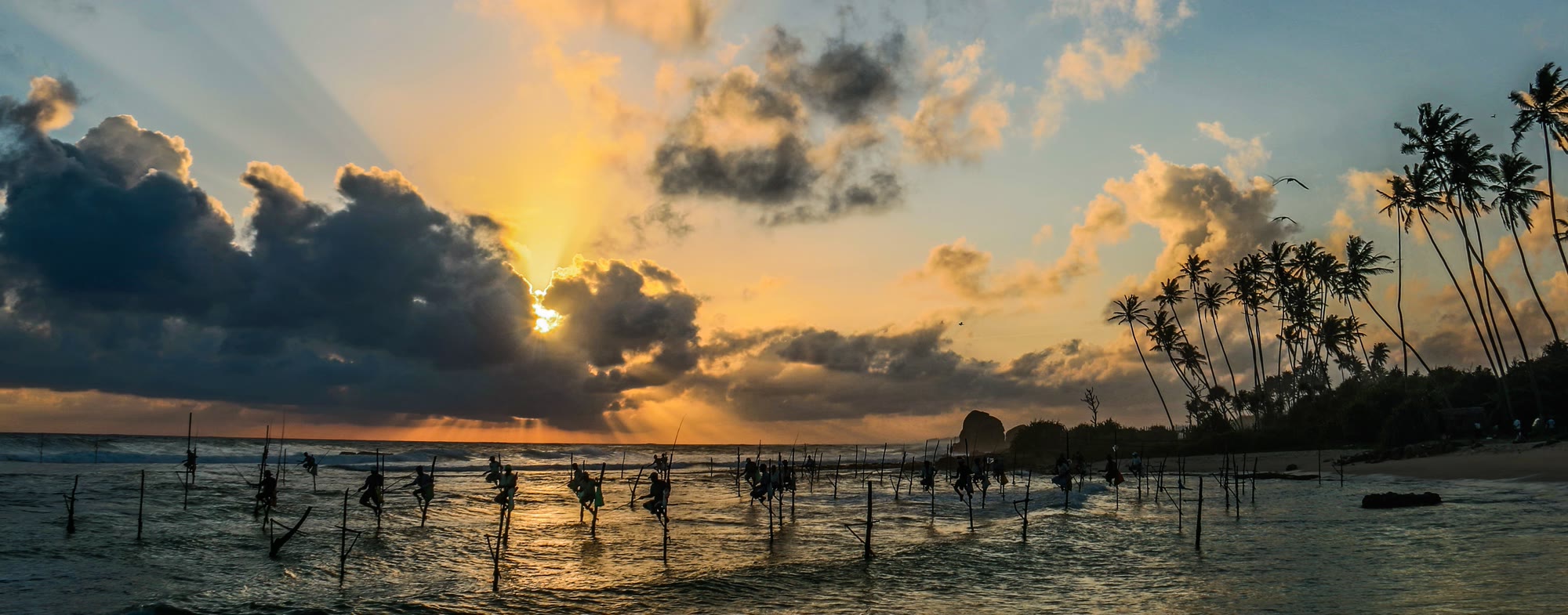
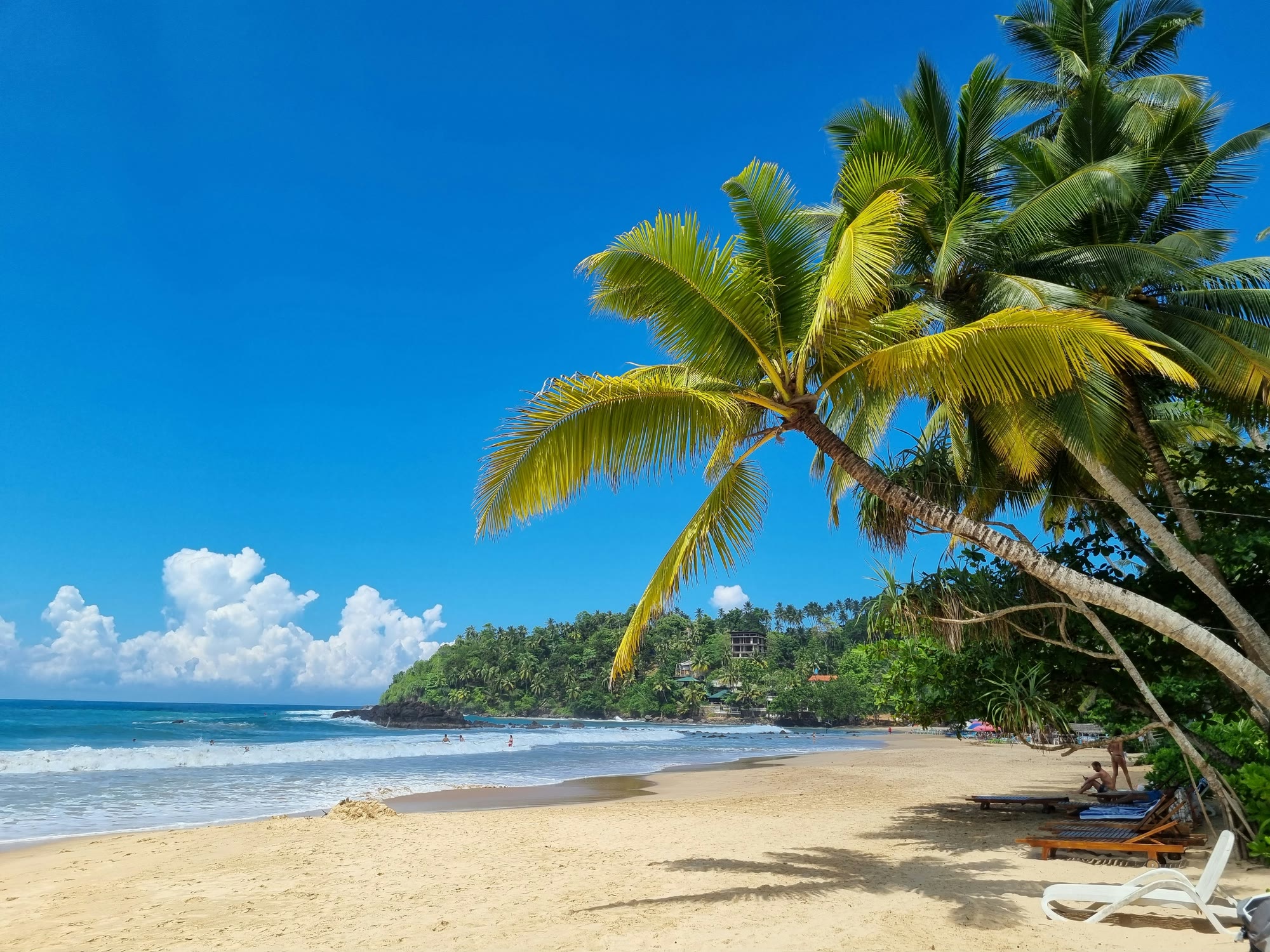
On the south coast, the day is measured in tides. Mornings begin with fishermen hauling in their nets, singing to keep time. By midday the sea is turquoise and the beach is empty, except for a dog asleep in the shade of a fishing boat. In the evening everyone wanders down to the water to watch the sun go. Nobody looks at a watch. After a day or two, you won’t either.
Four hundred years of sunsets
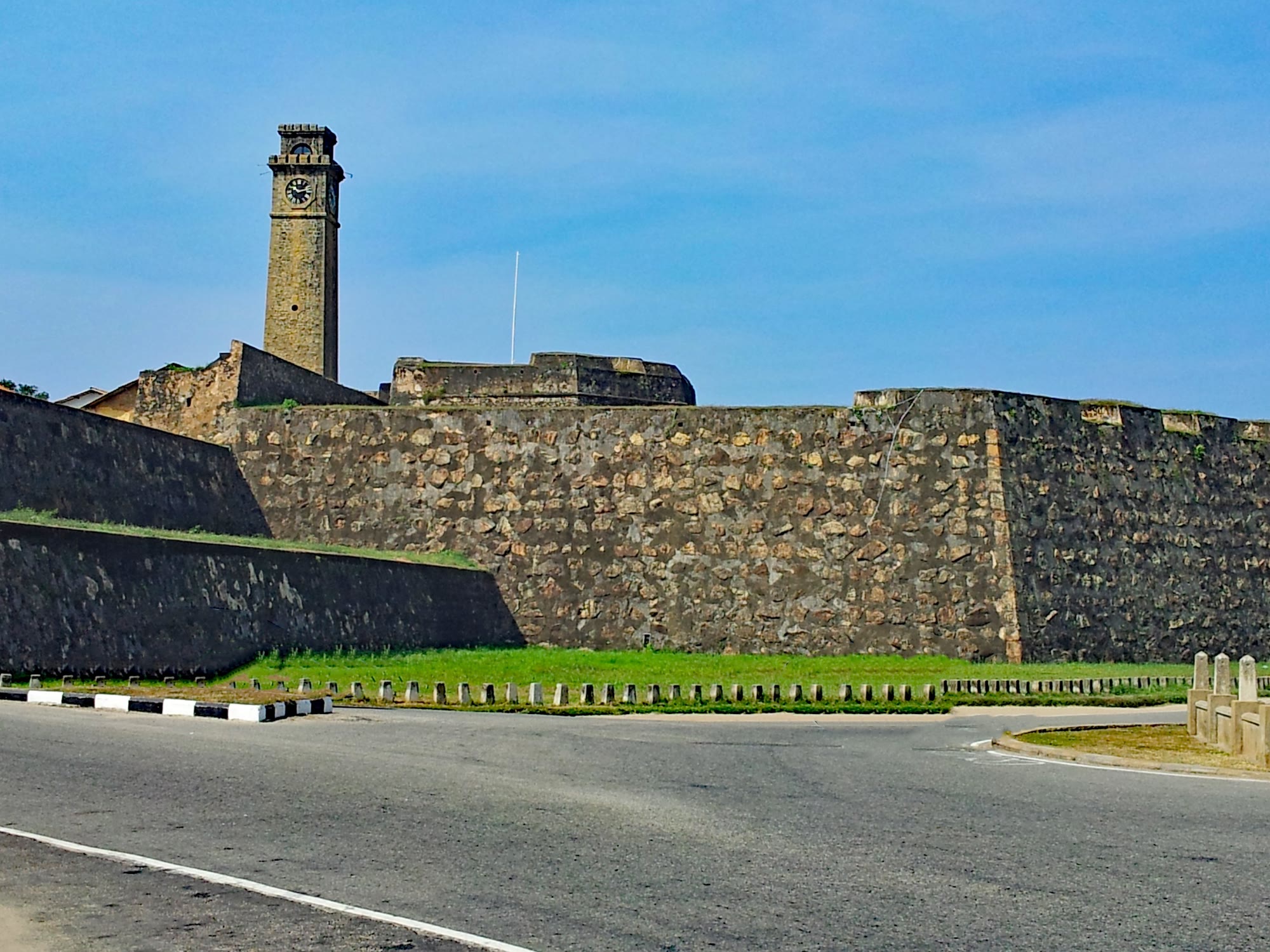
Galle Fort was begun by the Portuguese in the sixteenth century and strengthened by the Dutch in the seventeenth, and today it is a UNESCO World Heritage Site. But it’s not a museum. People live here. Children play cricket in the lanes, washing hangs from colonial balconies, and the old warehouses have become cafés and tiny boutiques.
Walk the ramparts in the late afternoon. Locals come here too: couples, families with ice creams, boys diving off Flag Rock into the sea for an audience. The stone is warm under your feet. The lighthouse turns white, then gold, then pink. It is one of those places where you feel, quite suddenly, that you are exactly where you are meant to be.
It is one of those places where you feel, quite suddenly, that you are exactly where you are meant to be.
The beach that’s waiting for you
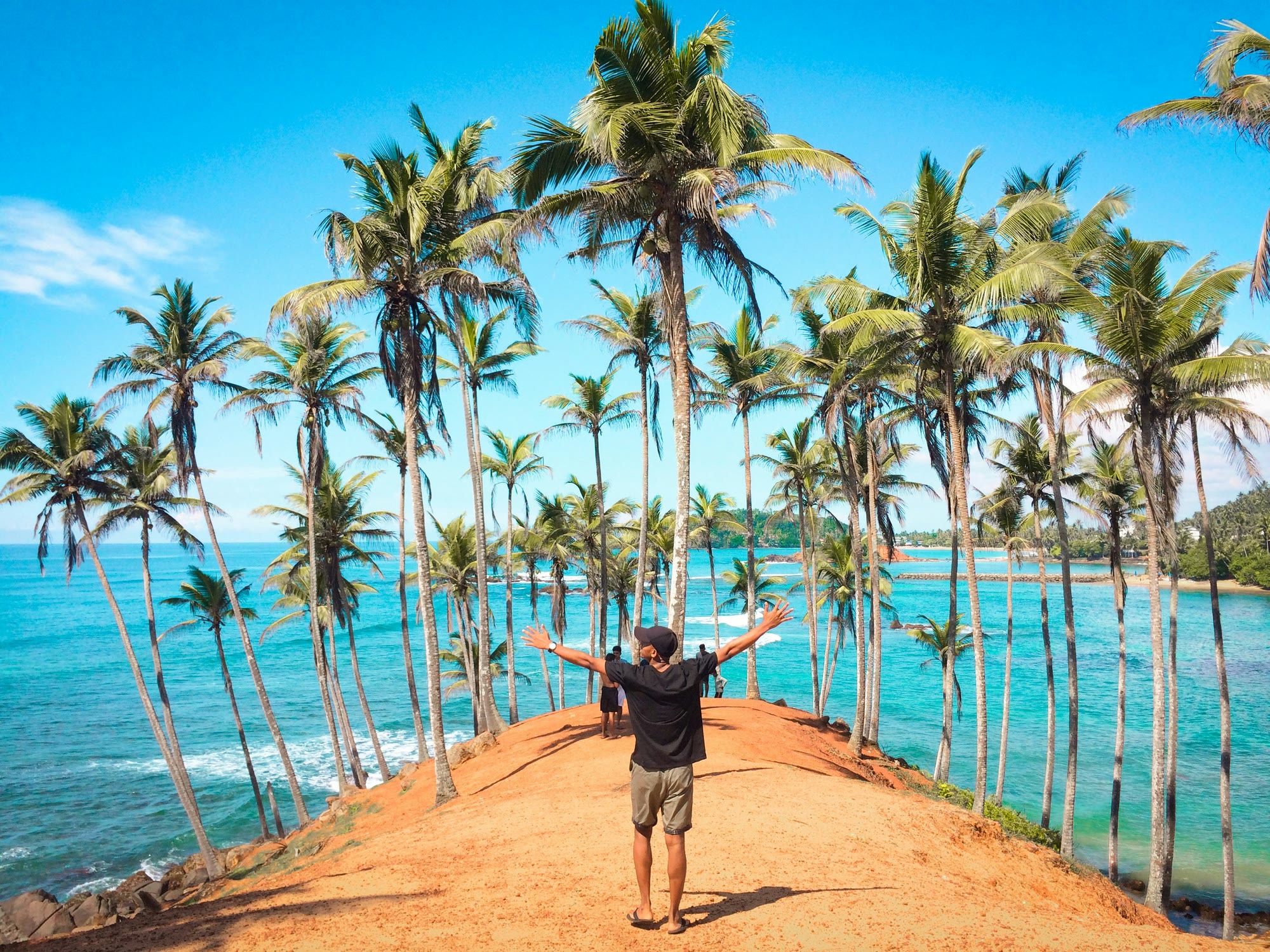
The south coast is a string of bays, each with its own personality. Mirissa for whales and long lunches. Weligama for gentle surf lessons. Tangalle for wide, wild beaches where you can walk for an hour and see no one. Between them are hidden coves known mostly to fishermen, and to us.
Most people come to the south coast for a few days at the end of their trip. Many wish they had stayed longer. That’s the thing about a place that keeps its own time: it slowly, gently, rewrites yours.