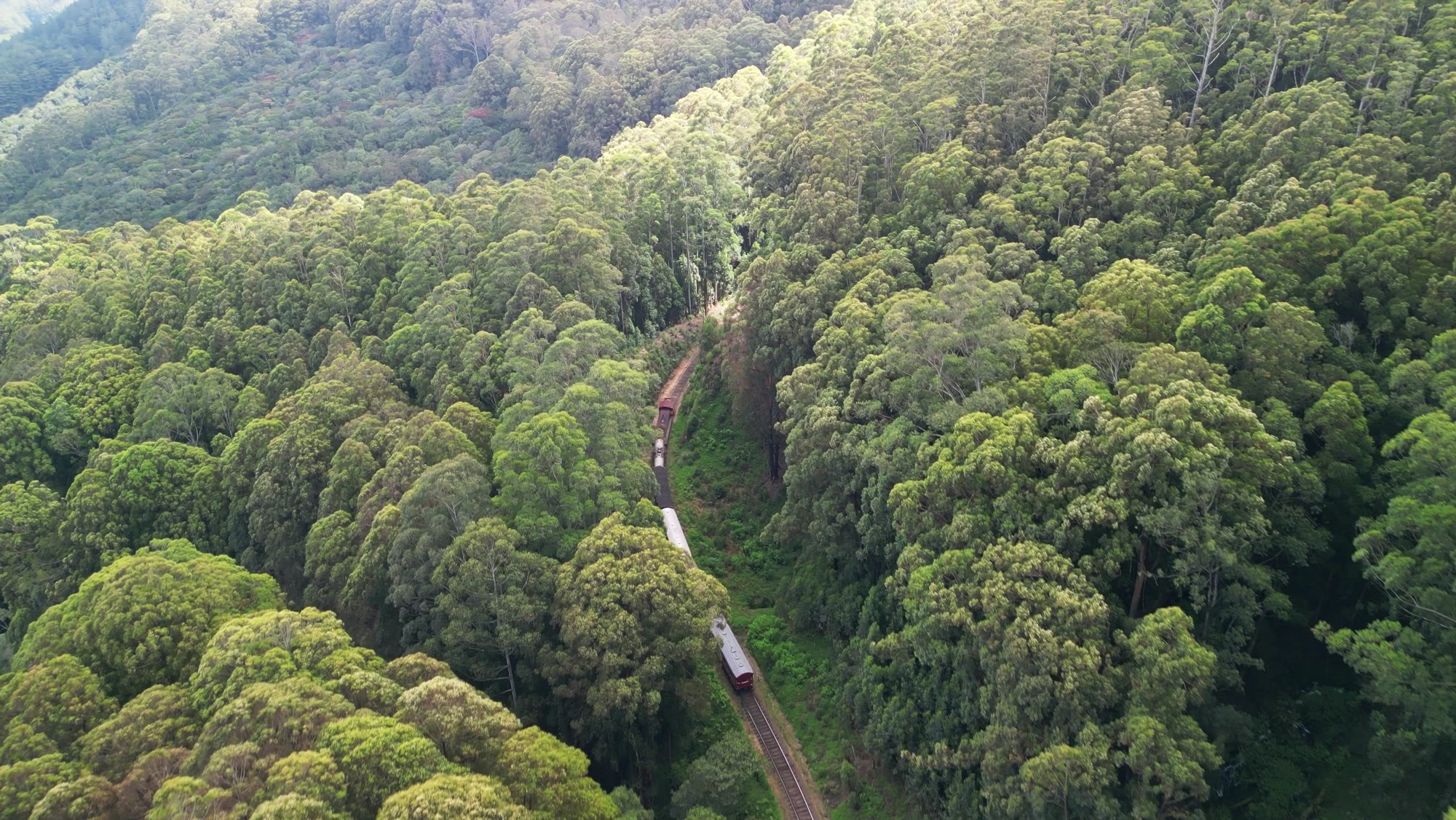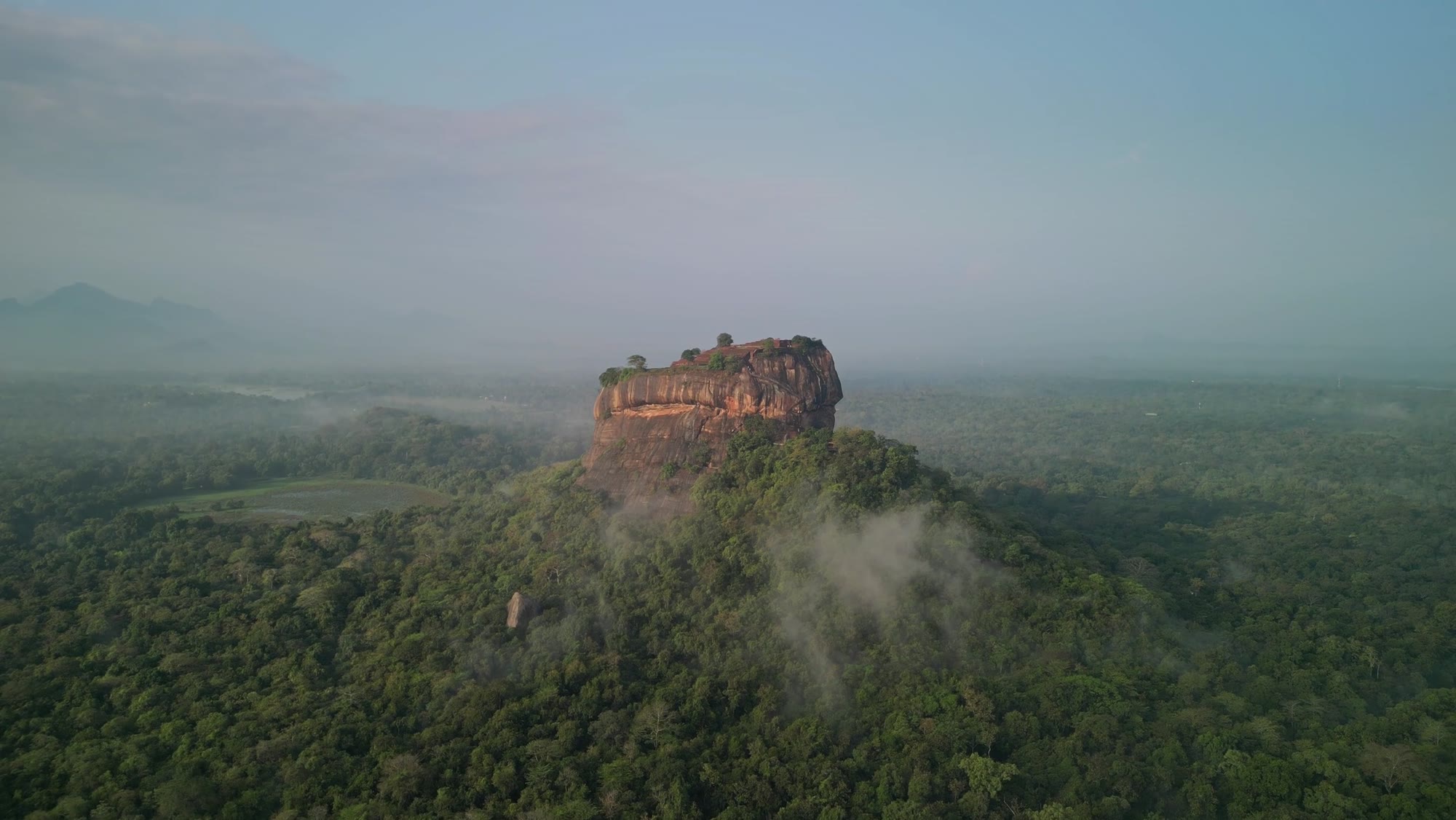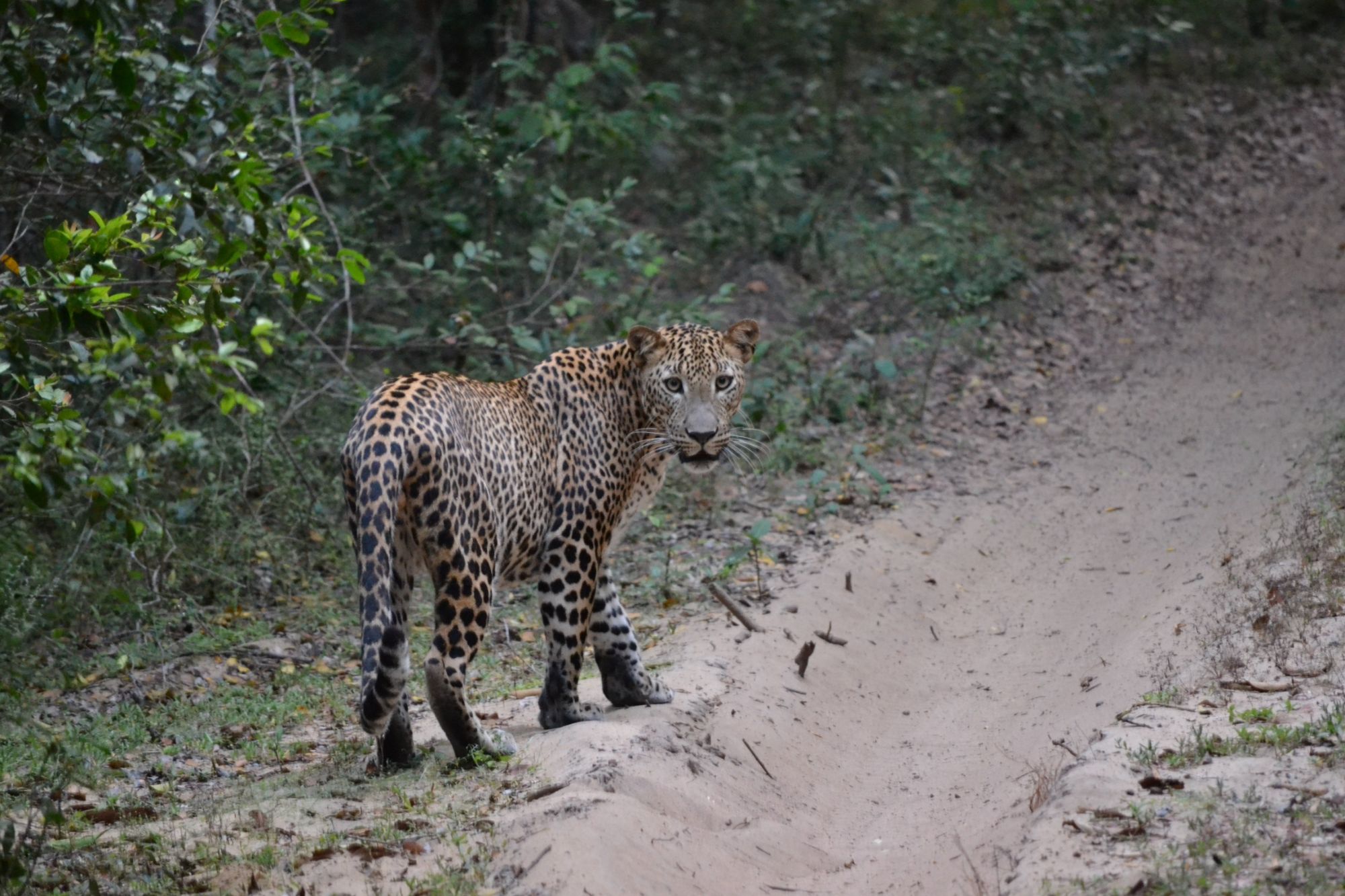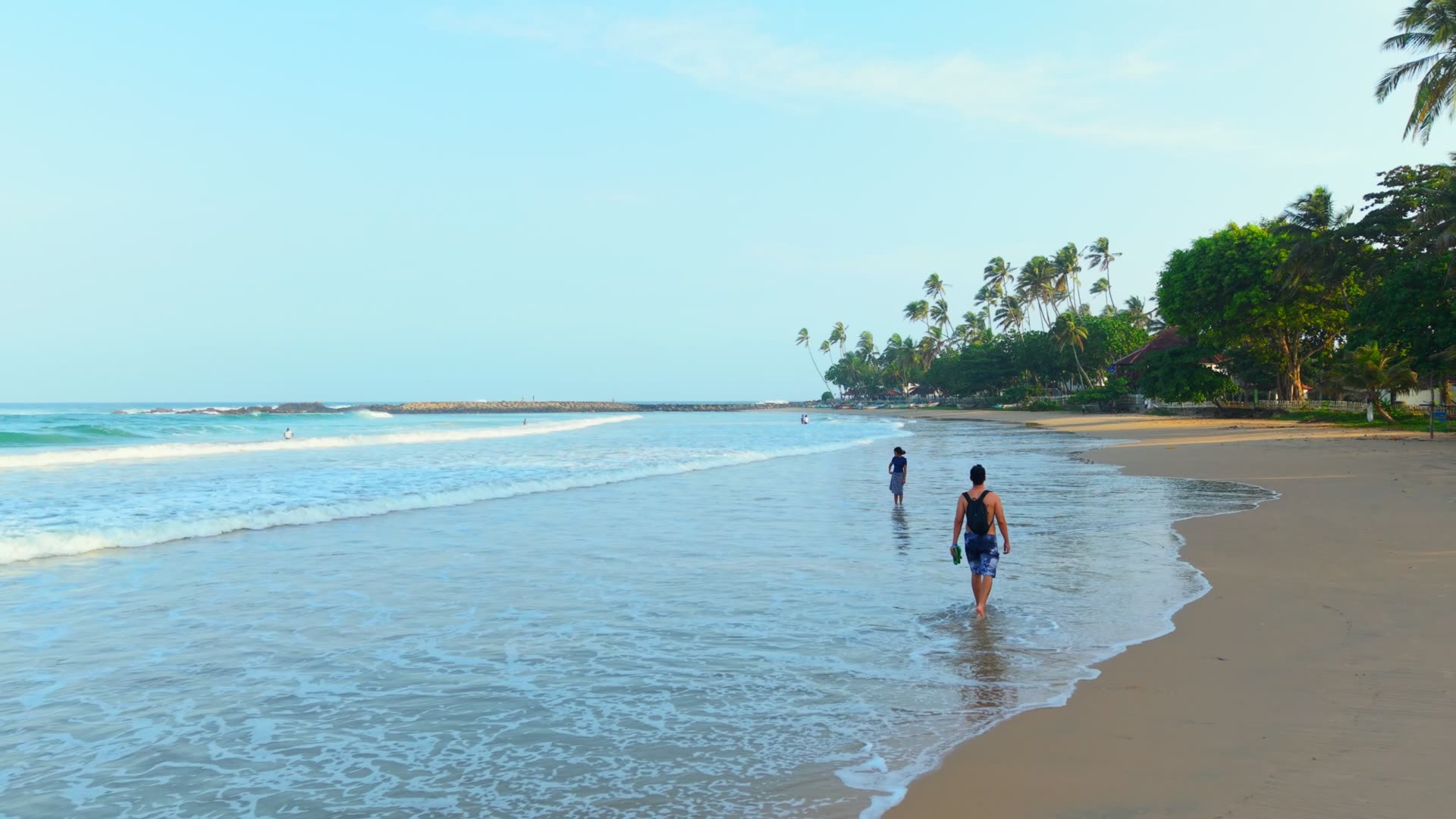
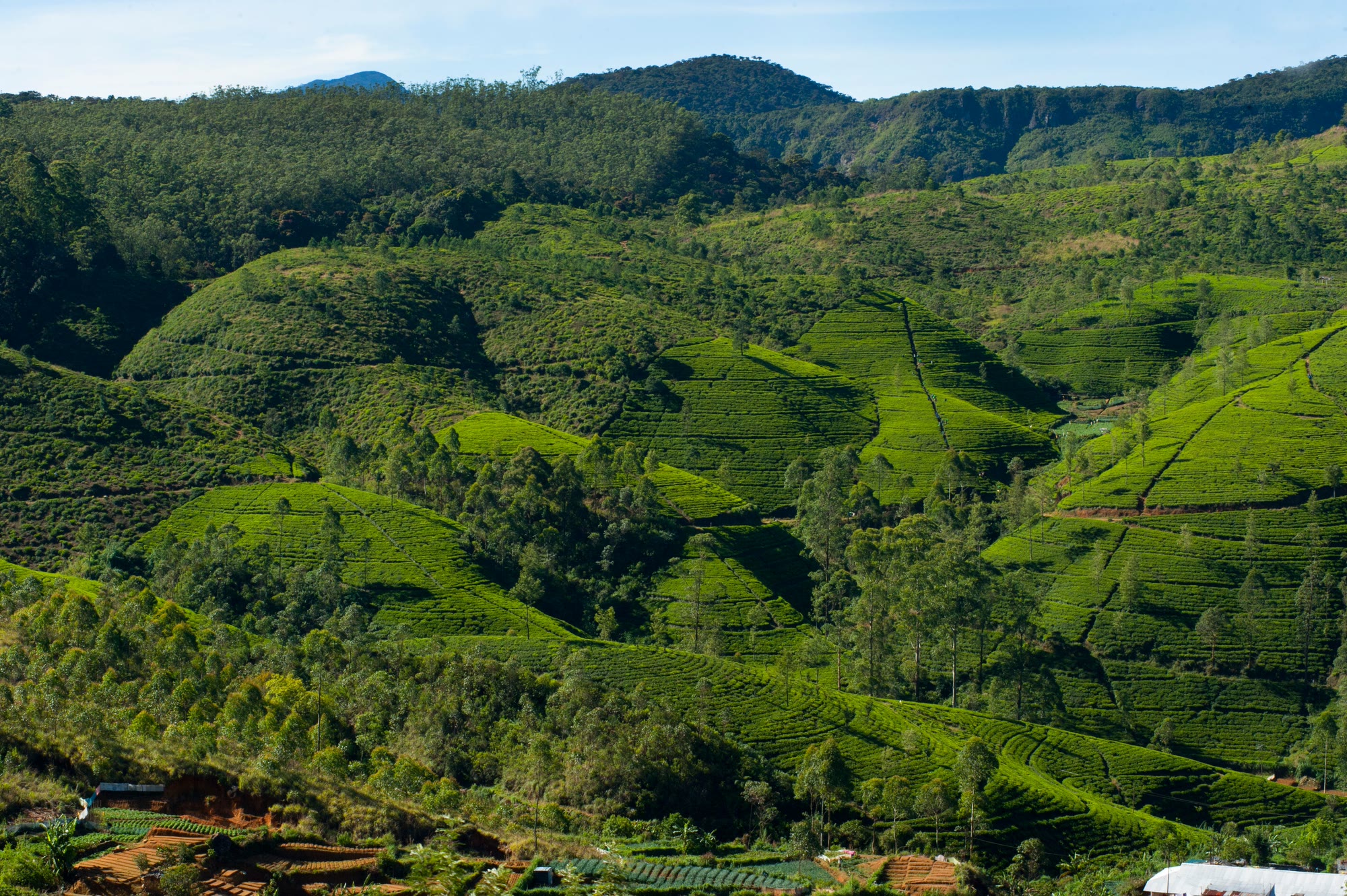
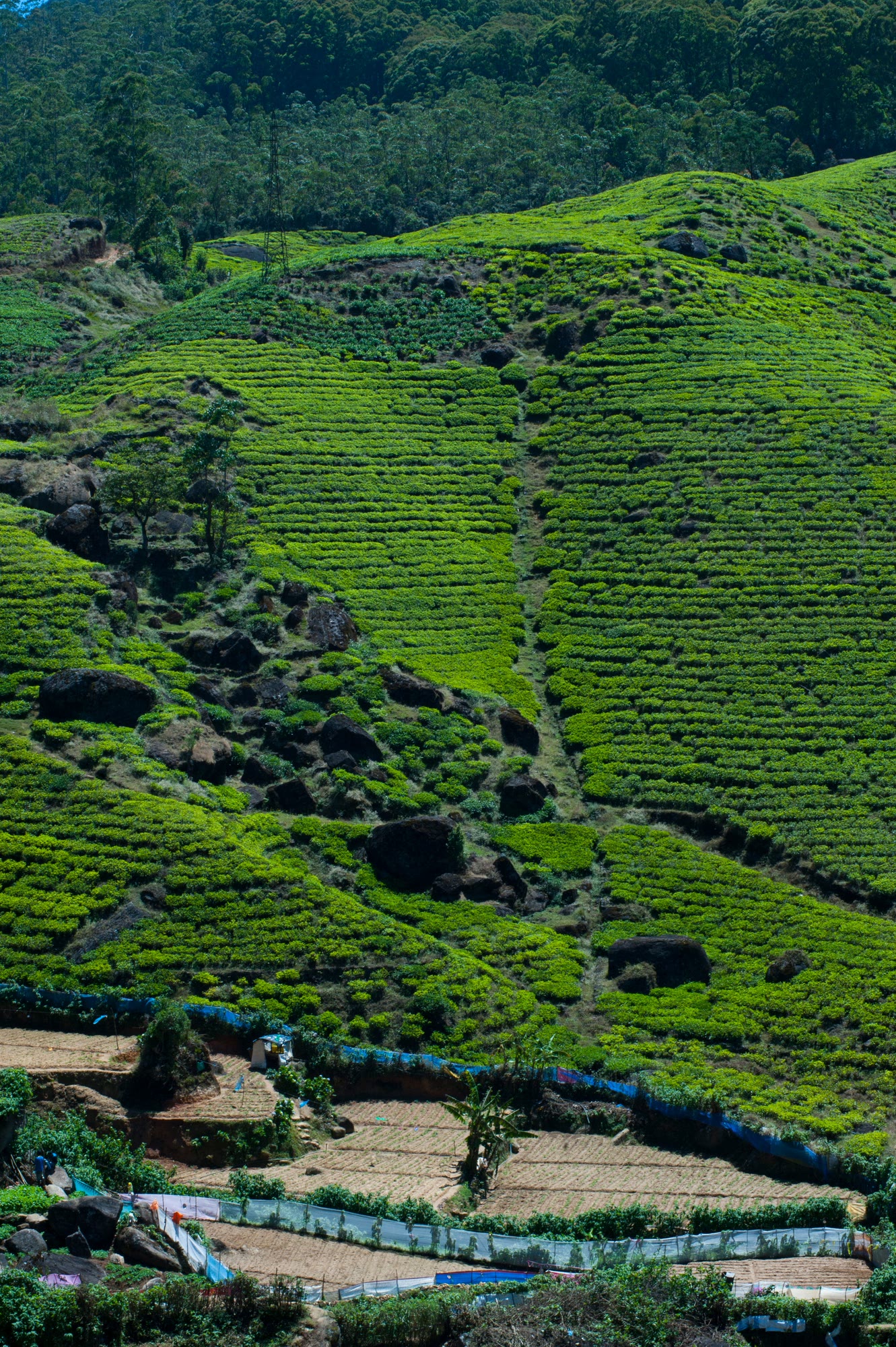
The first thing you notice is the cold. Not real cold, just a soft, clean chill that has you reaching for a sweater for the first time in days. The second thing is the silence. Then the mist begins to lift, slowly, like a curtain, and you see the hills. Every one of them is covered in tea, in rows so neat they look combed.
In 1867, a Scotsman named James Taylor planted a few acres of tea at the Loolecondera estate near Kandy. Coffee was still king on the island, but he wanted to try something new. When a blight swept through the coffee estates a few years later, tea took their place. Within a few decades, “Ceylon tea” was famous around the world. More than 150 years later, it still is.
Two leaves and a bud
Walk the estate with the pluckers early in the morning. They move quickly along the rows, picking only the top two leaves and a bud with a flick of the fingers, dropping them into baskets on their backs. They laugh at your clumsy attempts and show you again. Many of their families have worked these hills for generations.
In the factory, the leaf is withered, rolled, oxidised and dried, filling the old building with a smell like warm hay and honey. At the end, the tea-maker pours you a cup from the morning’s pick. It’s bright, golden and a little floral, and it tastes nothing like the tea at home.
You will never drink a cup of tea in quite the same way again.
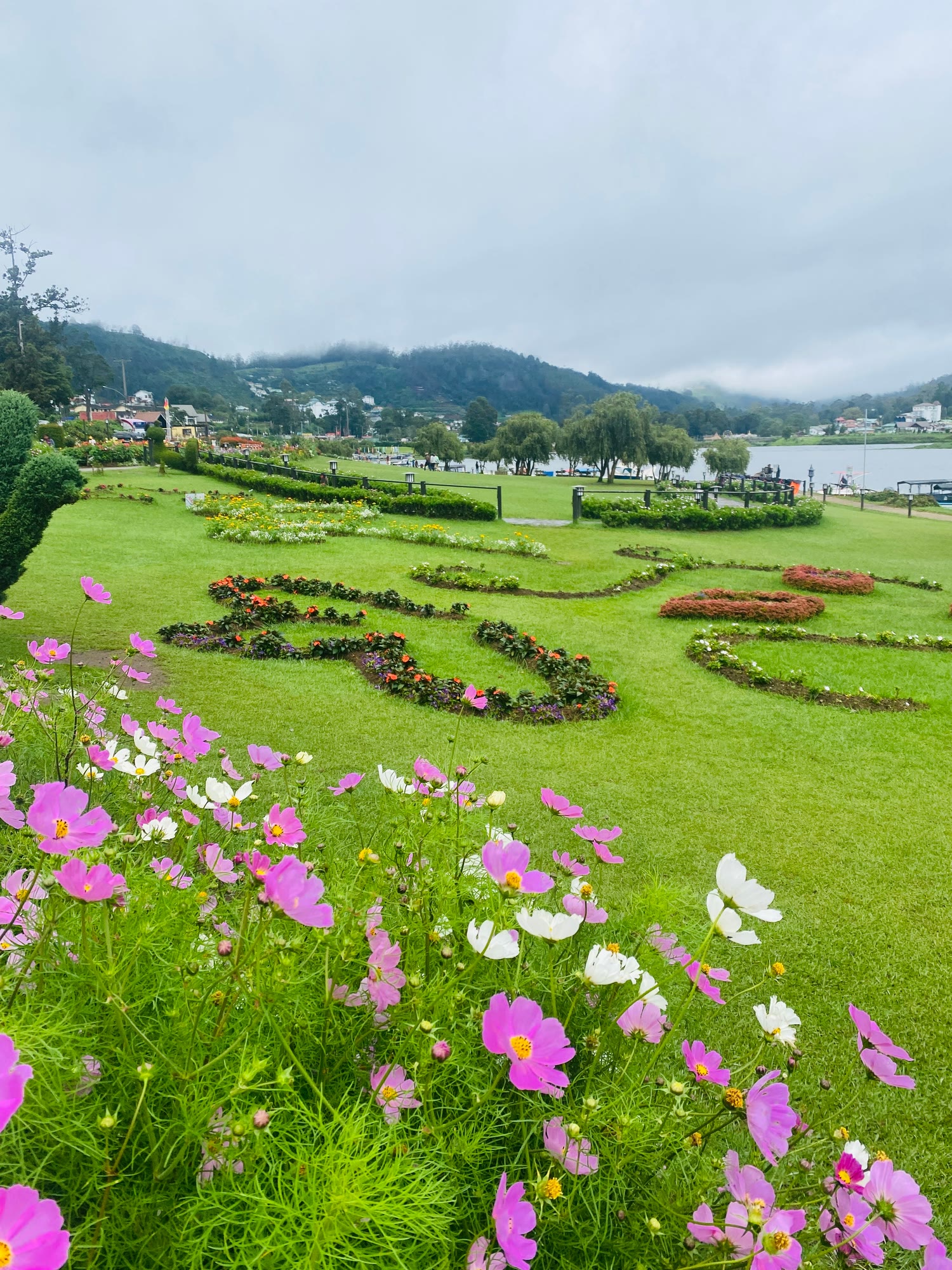
Why we call it home
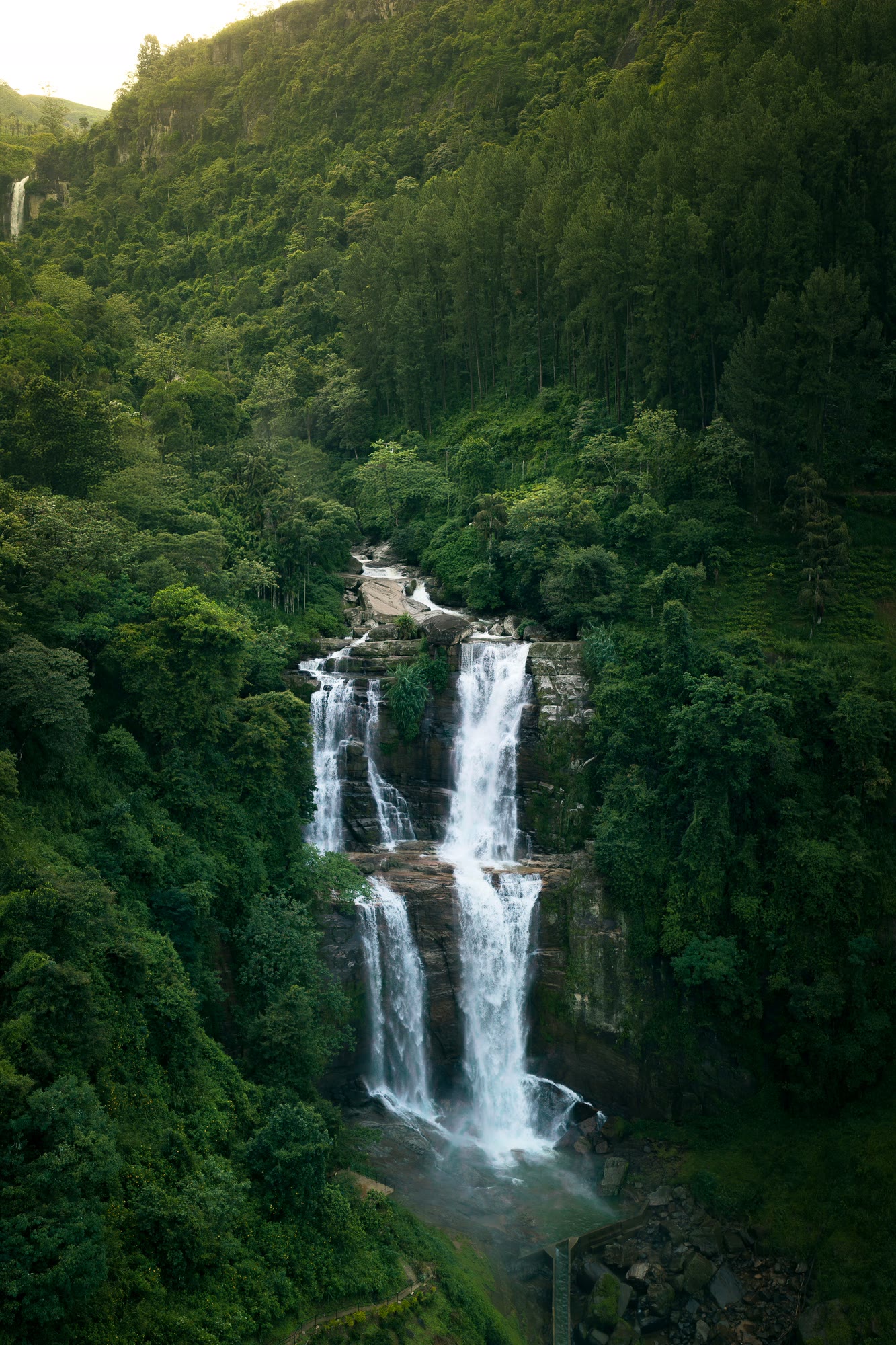
Tea country is close to our hearts. Our highland sanctuary is here, among the estates of Bogawantalawa and Hatton, and the people who welcome you on these hills are our neighbours. When we say we know the quiet paths, the best bungalows and the factory that still does things the old way, it’s because we do.
Most travellers give tea country a day. The ones who give it three go home different. They are calmer, a little in love with the mist, and quietly planning their return.