EduTourism · Sri Lanka

The island is the classroom.The lesson they’ll never forget.

Archaeology in a 2,000-year-old city. Ecology in a cloud forest. Conservation beside wild elephants. We design field-study programmes for schools and universities, with clear learning outcomes, per-student prices and every safety detail in writing.

8 disciplines6 programmes + 9 field modules2 hours to 3 weeksPrices shown upfrontSLTDA licensed

Why learn here

A whole curriculum, on one small island.

Few places pack so much into so little distance. Students wake beside a 2,000-year-old reservoir and fall asleep in a cloud forest. That’s why the lessons stay with them.

  • 8UNESCO World Heritage Sites
  • 1 of 36global biodiversity hotspots
  • 2,500years of recorded history
  • 1 dayfrom coral reef to cloud forest
01

Before you fly

A syllabus-linked learning pack, a planning call with your teachers and slides for the parents’ information evening.

02

On the island

Field days led by archaeologists, naturalists and marine guides — hands-on, small-group and always purposeful.

03

After you’re home

Field journals, a group presentation, a certificate for every student and a photo archive for the school.

Explore by discipline

Eight subjects. One unforgettable classroom.

Pick a subject to see where students learn it, what they actually do, and which part of the syllabus it brings to life.

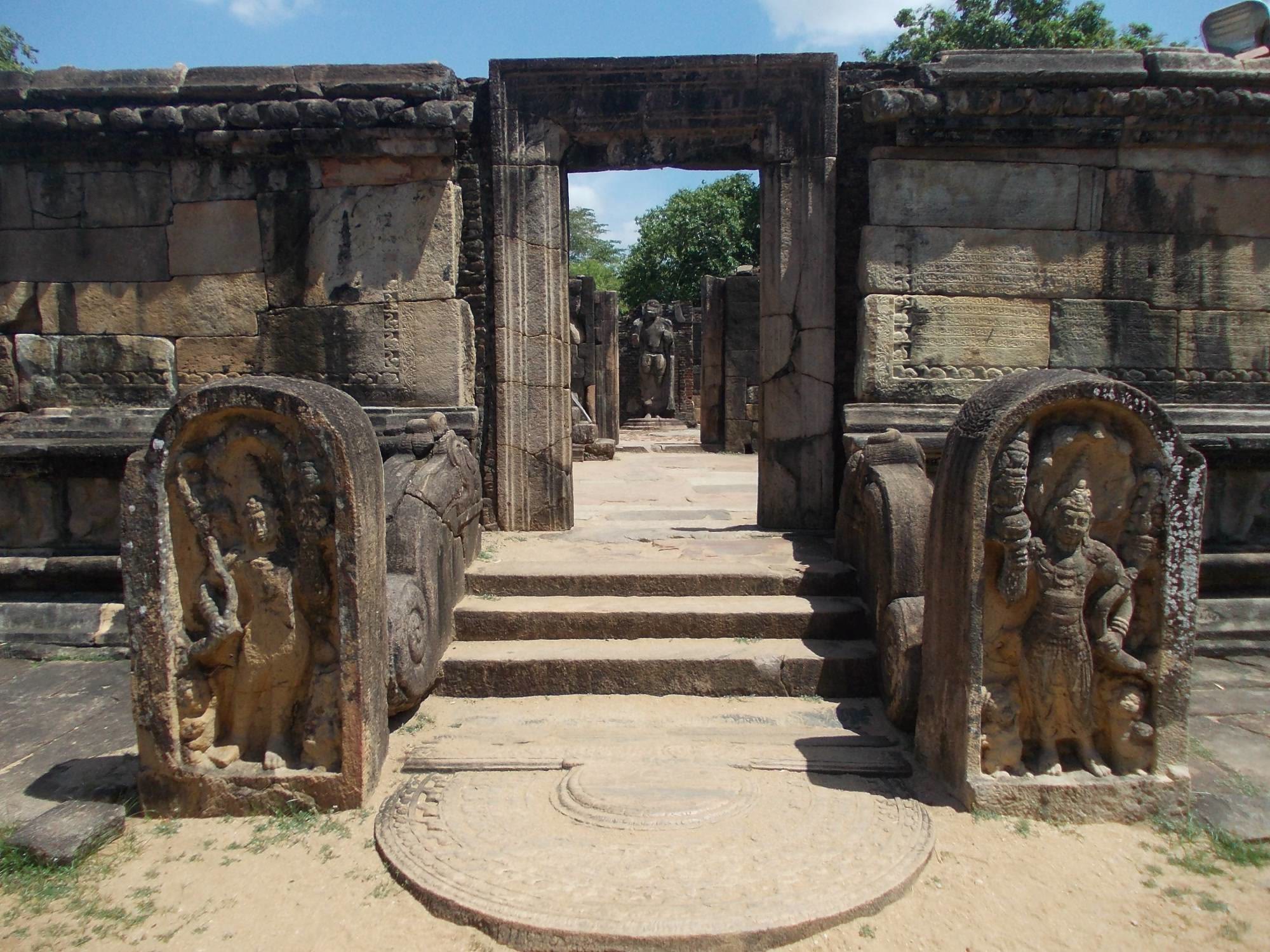
Carved guardstones and a moonstone at the entrance of the Polonnaruwa Vatadage

Read a 2,000-year-old city from its stones.

Archaeology & Heritage

Students walk through two ancient capitals, decode moonstones and guardstones, and record a monument the way field archaeologists do. Their textbook comes to life in front of them.

Where we learn
  • Anuradhapura
  • Polonnaruwa
  • Mihintale
  • Sigiriya
Fits your syllabus
  • History
  • Archaeology
  • Classical Civilisation
  • Art History
Sample field days
  • Moonstone and guardstone recording
  • Measured drawing at the Royal Palace
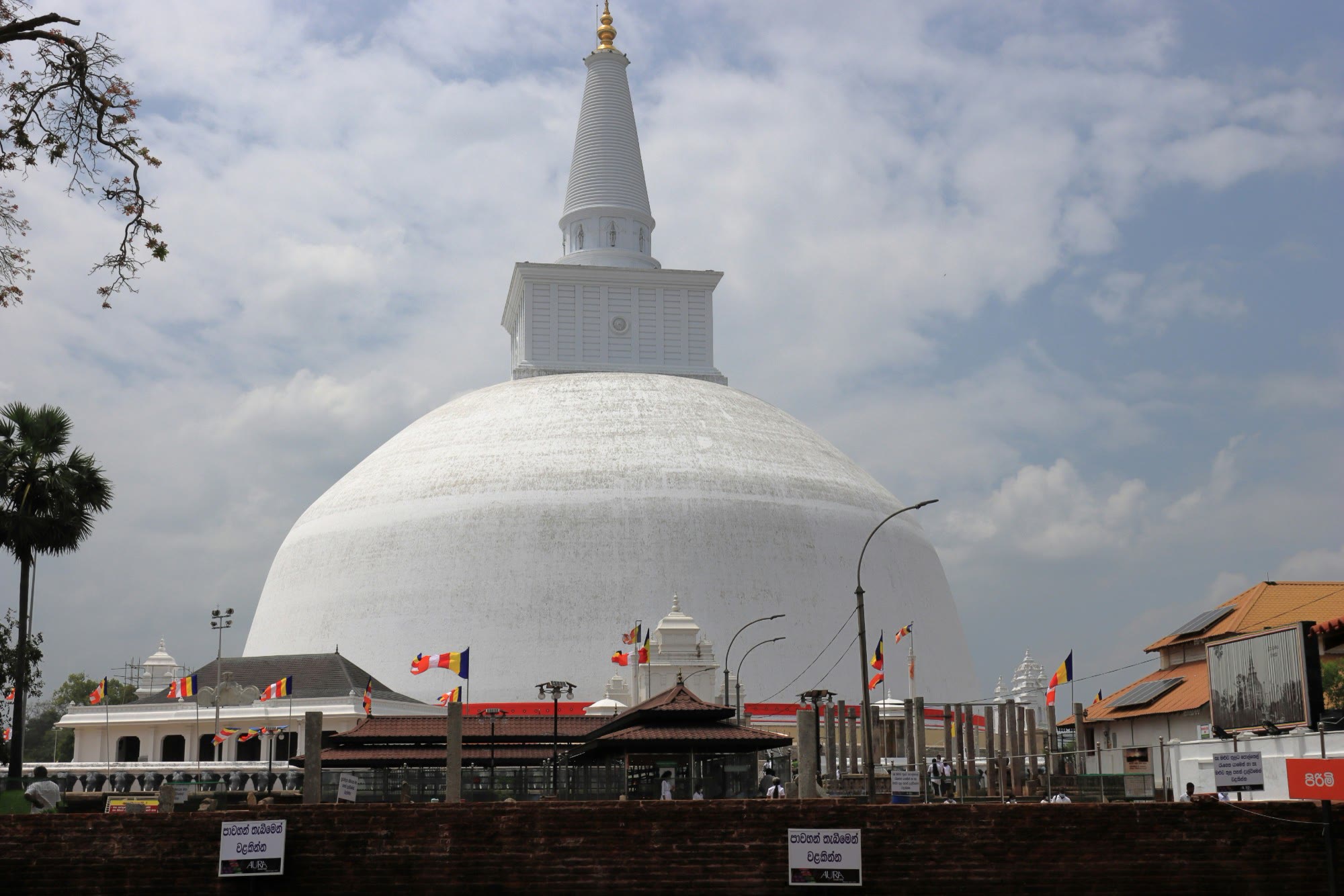
  • Stupa architecture walk at Ruwanwelisaya

Ready-made programmes

Everything you need to say yes, before you enquire.

Learning outcomes, the full day-by-day plan and a per-student price — all on the page. Start from any programme and we’ll shape it around your syllabus, dates and group.

Subject
Who’s travelling

6 of 6 programmes. Every one can be shortened, extended or combined.

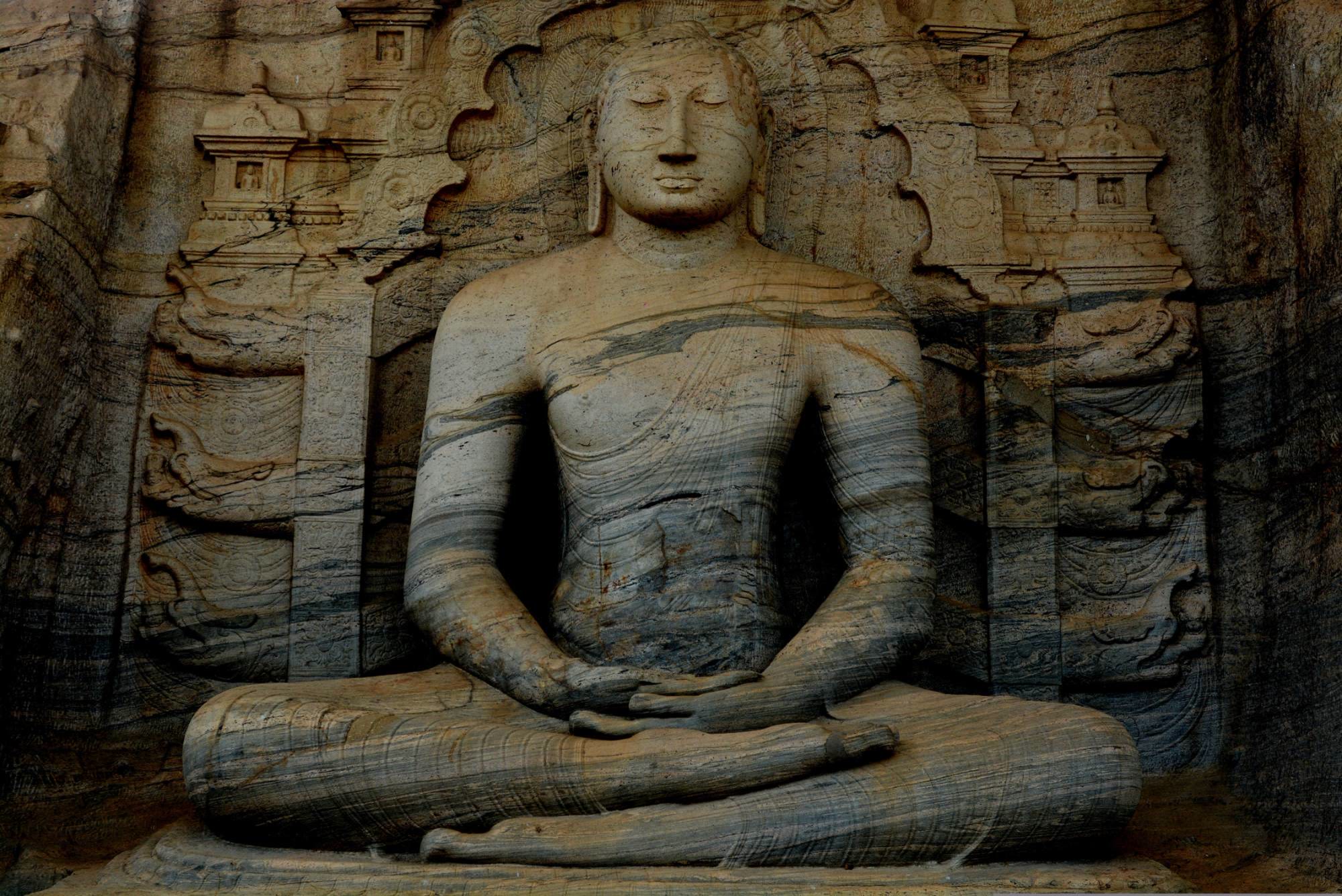
The seated Buddha carved into granite at Gal Vihara, Polonnaruwa5 daysSchools & Universities

Archaeology & Heritage · Ancient Engineering & Water

Kingdoms of Stone

Two ancient capitals, a rock fortress and the engineering that made them possible.

Anuradhapura → Mihintale → Sigiriya → Polonnaruwa → Dambulla

Students will be able to
  • Interpret archaeological evidence on site
  • Explain how irrigation shaped an ancient civilisation
  • Produce a measured drawing and short site report
  • Discuss how UNESCO heritage sites are protected
Ages 14+ and undergraduatesAll year · driest May–September
See it day by day
  1. Day 1

    The sacred city

    Drive to Anuradhapura for an orientation lecture, then an evening walk to the great Ruwanwelisaya stupa as the lamps are lit.

  2. Day 2

    Reading a 2,000-year-old city

    Tanks, stupas and monasteries by bicycle. In the afternoon climb Mihintale, where Buddhism arrived in Sri Lanka.

  3. Day 3

    A fortress in the sky

    Study the Sigiriya water gardens and their hydraulics, climb the Lion Rock and sketch the frescoes from life.

  4. Day 4

    Field-recording day

    Teams record a monument at Polonnaruwa — the Vatadage, the Royal Palace and the Gal Vihara — and walk the Parakrama Samudra reservoir.

  5. Day 5

    Cave temples and reflection

    Dambulla’s painted caves, then group presentations, certificates and the drive back to Colombo.
From$590per student
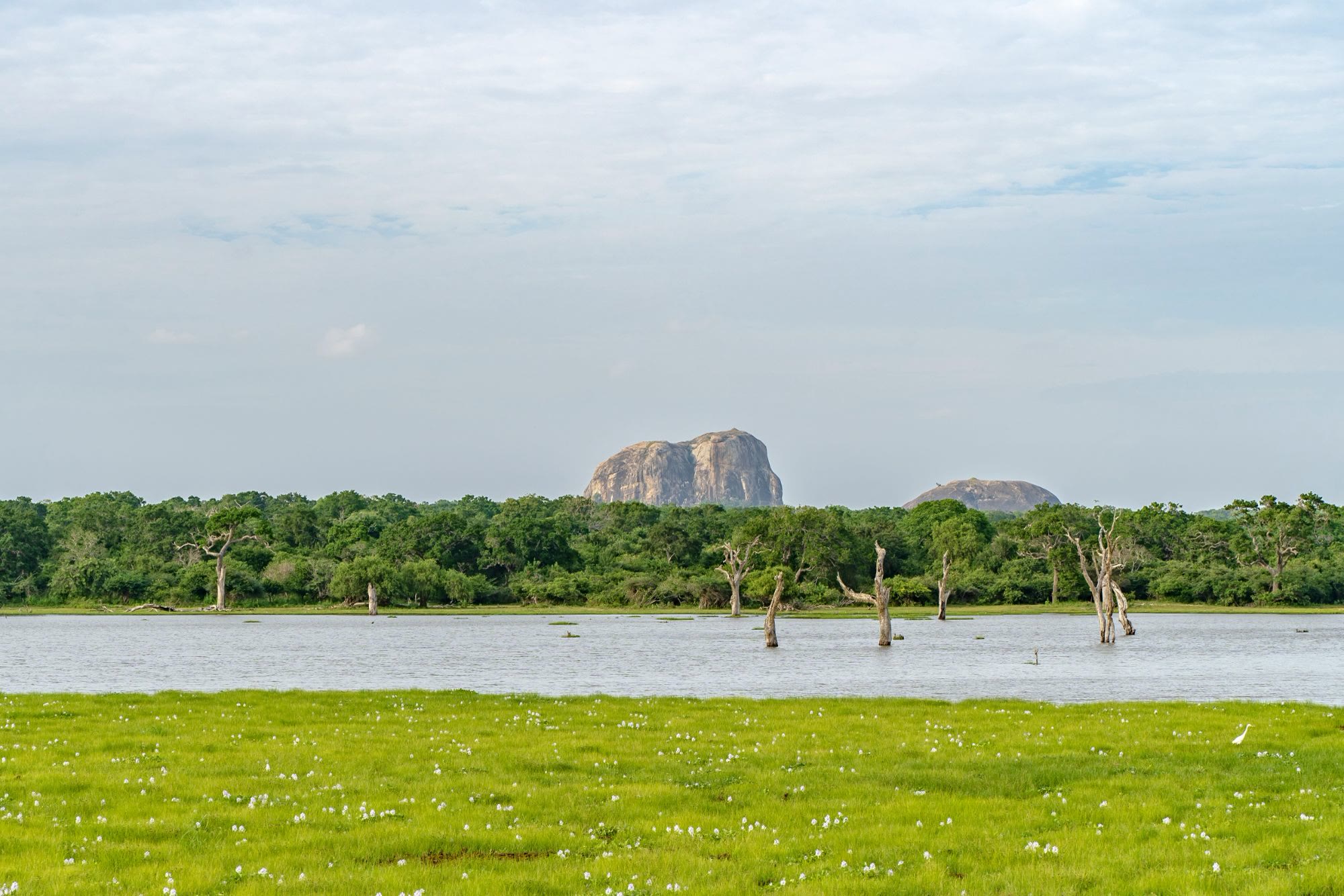
Elephant Rock rising behind a lake and green grassland in Yala6 daysSchools & Universities

Wildlife & Conservation · Highland Ecology & Geography

The Wild Classroom

Elephants, leopards and wetland birds — studied, not just spotted.

Udawalawe → Yala → Bundala → South coast

Students will be able to
  • Use simple field sampling and recording methods
  • Explain human–wildlife conflict and practical solutions
  • Identify key species and the habitats they need
  • Present a data-backed conservation proposal
Ages 13+ and undergraduatesFebruary–July for Yala · all year elsewhere
See it day by day
  1. Day 1

    Elephants up close

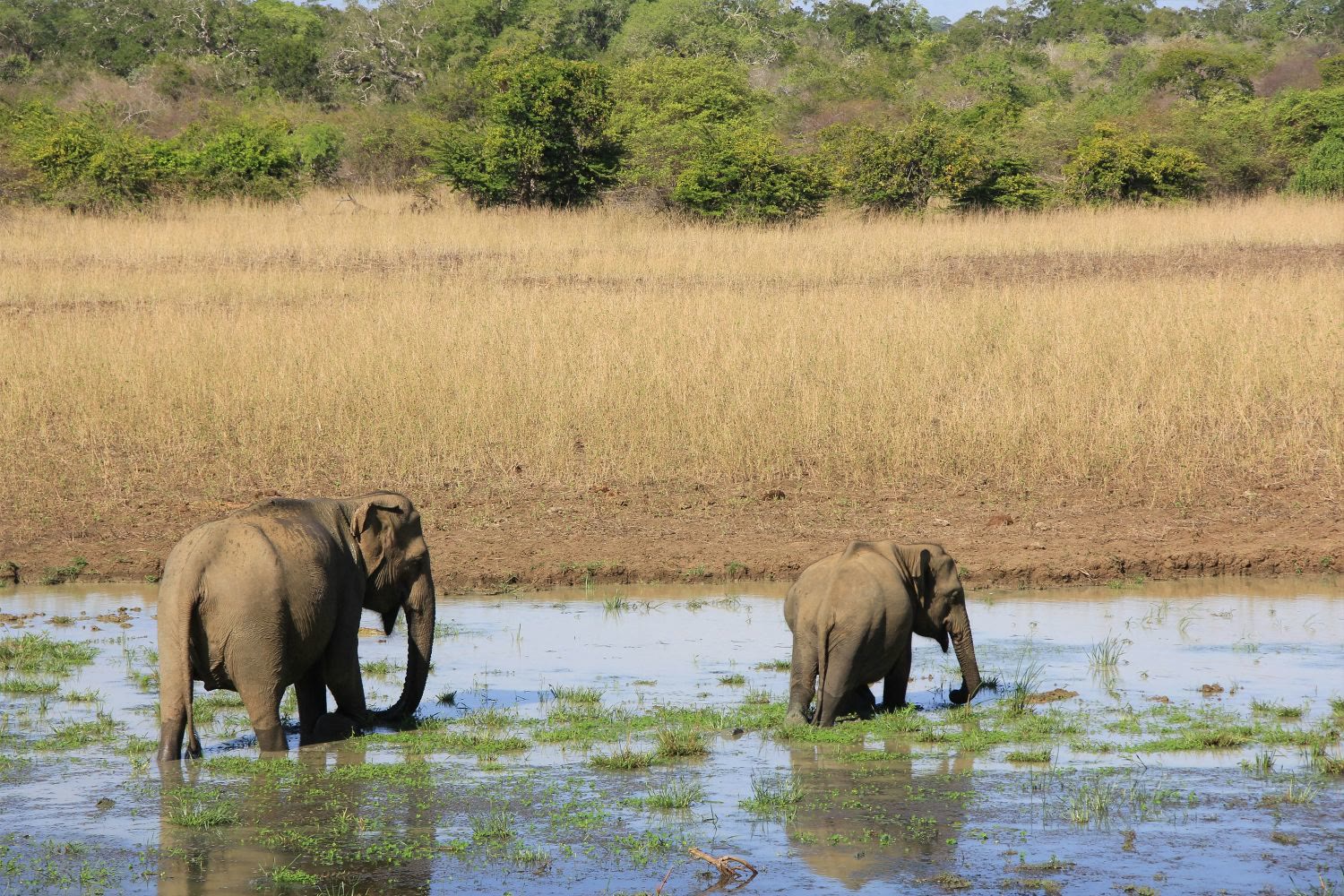
    Drive south to Udawalawe and watch orphaned calves fed at the Elephant Transit Home, followed by a briefing on how they return to the wild.

  2. Day 2

    Field methods at dawn

    An early jeep safari built around behaviour sampling. Students log what they see and compare results in the afternoon.

  3. Day 3

    Leopard country

    Move to Yala for an afternoon safari with a naturalist, talking predator, prey and protected-area management.

  4. Day 4

    Wetland bird census

    A dawn bird count in the Bundala Ramsar wetland — peacocks, waders and, in season, flamingos.

  5. Day 5

    Living with wildlife

    Meet farmers who use beehive and electric fences, then a workshop where students design their own solutions.

  6. Day 6

    From data to story

    Analyse the week’s data, present findings, receive certificates and drive back along the coast.

From$670per student
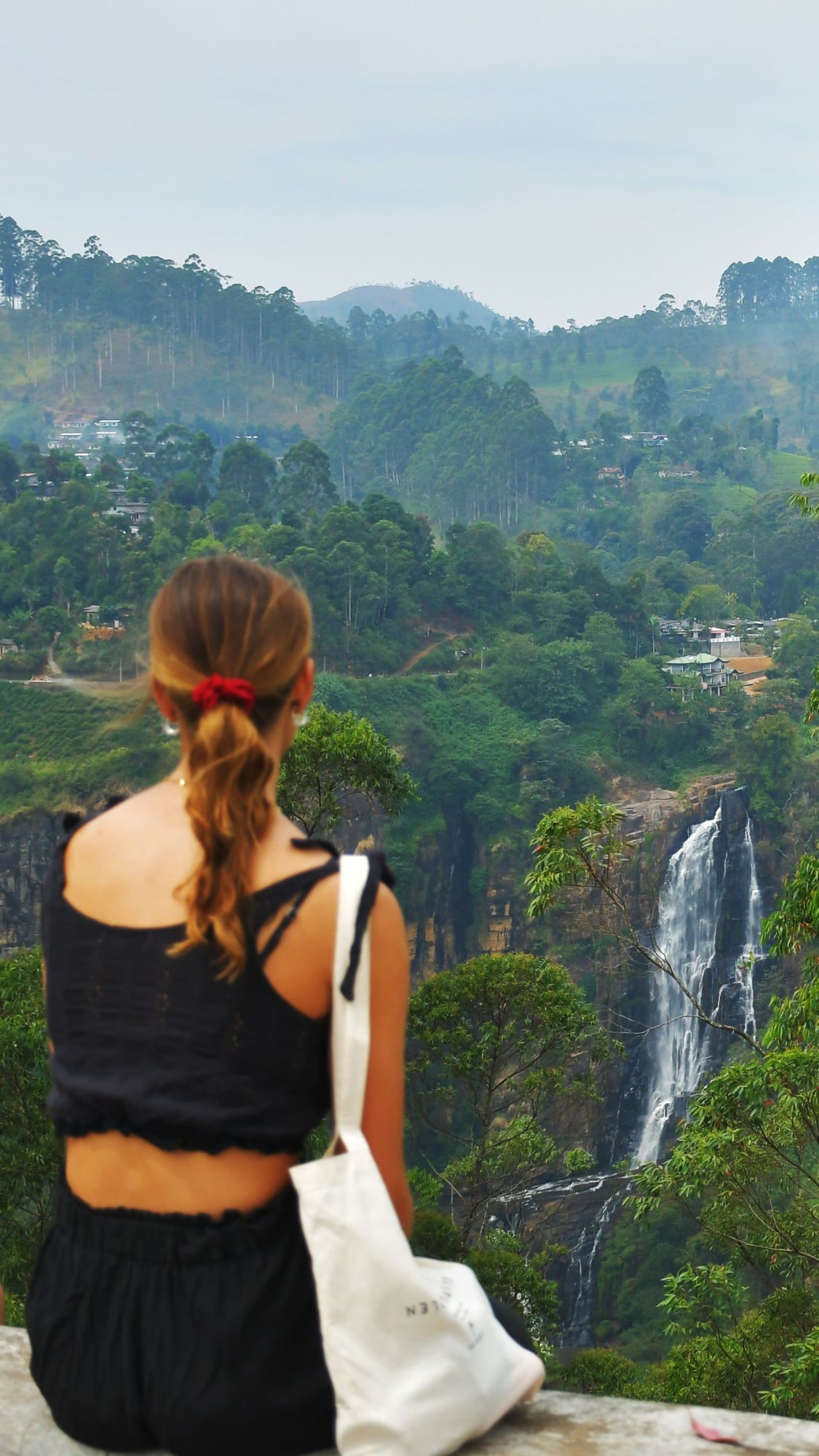
A student looking out from a viewpoint at a waterfall in the hill country5 daysSchools & Universities

Highland Ecology & Geography · Tea, Agriculture & Sustainability

Clouds, Tea & Waterfalls

A field school in the mountains, from cloud forest to the factory floor.

Kandy → Ambuluwawa → Nuwara Eliya → Horton Plains → Ella

Students will be able to
  • Explain altitude zones and cloud-forest ecology
  • Trace a global commodity chain from field to cup
  • Weigh up sustainability in plantation economies
  • Read a watershed and its landscape
Ages 12+ and undergraduatesDecember–April · cool all year
See it day by day
  1. Day 1

    A tower above four faiths

    Visit the Ambuluwawa biodiversity complex and climb its tower for a 360° lesson in mountain geography.

  2. Day 2

    Water from the clouds

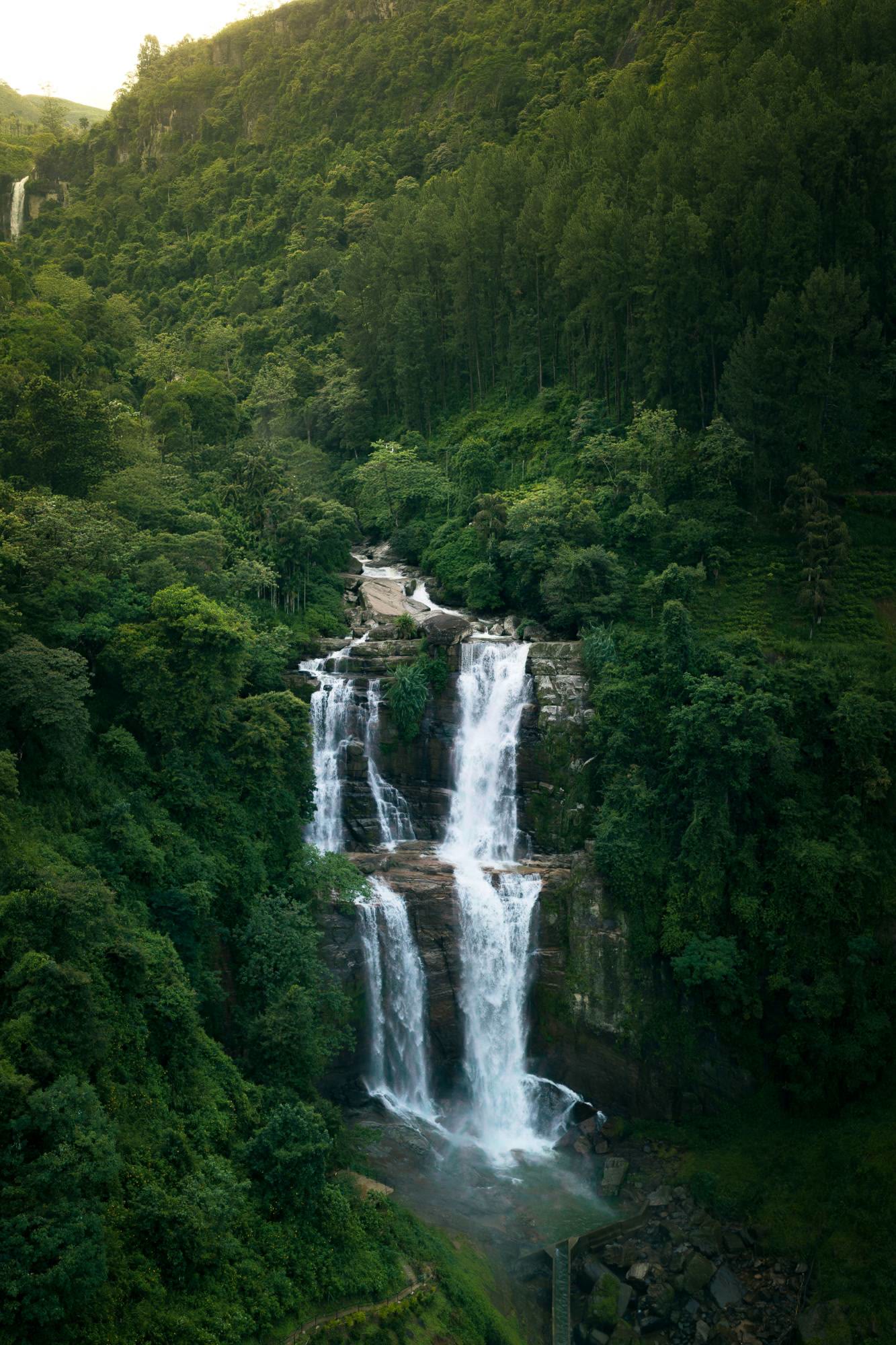
    Follow the river to Ramboda Falls and map a highland watershed, then settle in on a tea estate.

  3. Day 3

    From leaf to cup

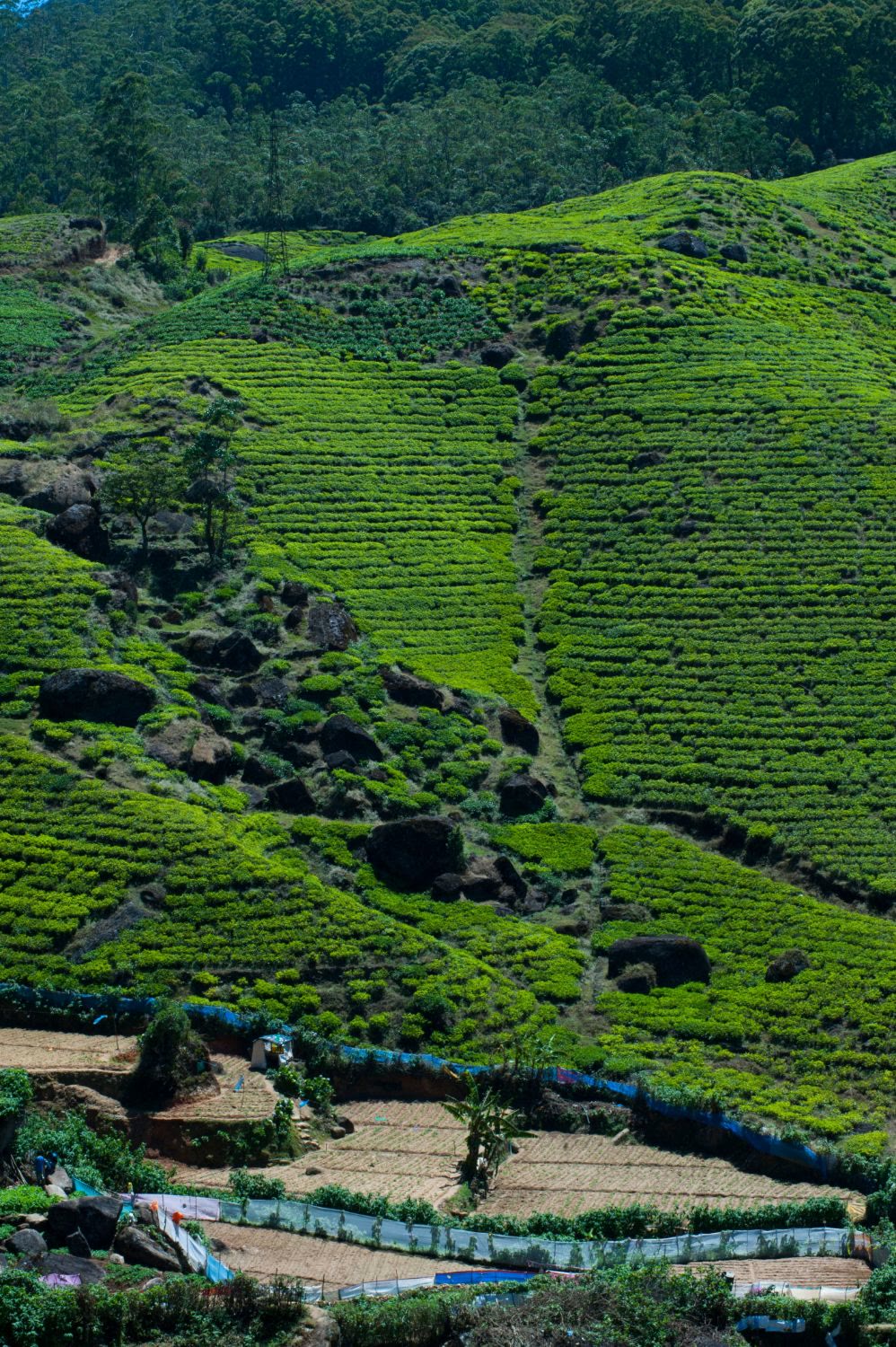
    Pick tea with estate workers, see oxidation in the factory and run a fair-wage value-chain workshop.

  4. Day 4

    Cloud forest ecology

    Walk Horton Plains to World’s End to study endemic species, forest dieback and climate.

  5. Day 5

    The famous train

    Cross the Nine Arch Bridge, a lesson in colonial engineering, then reflections and certificates before the hill-country train.

From$590per student
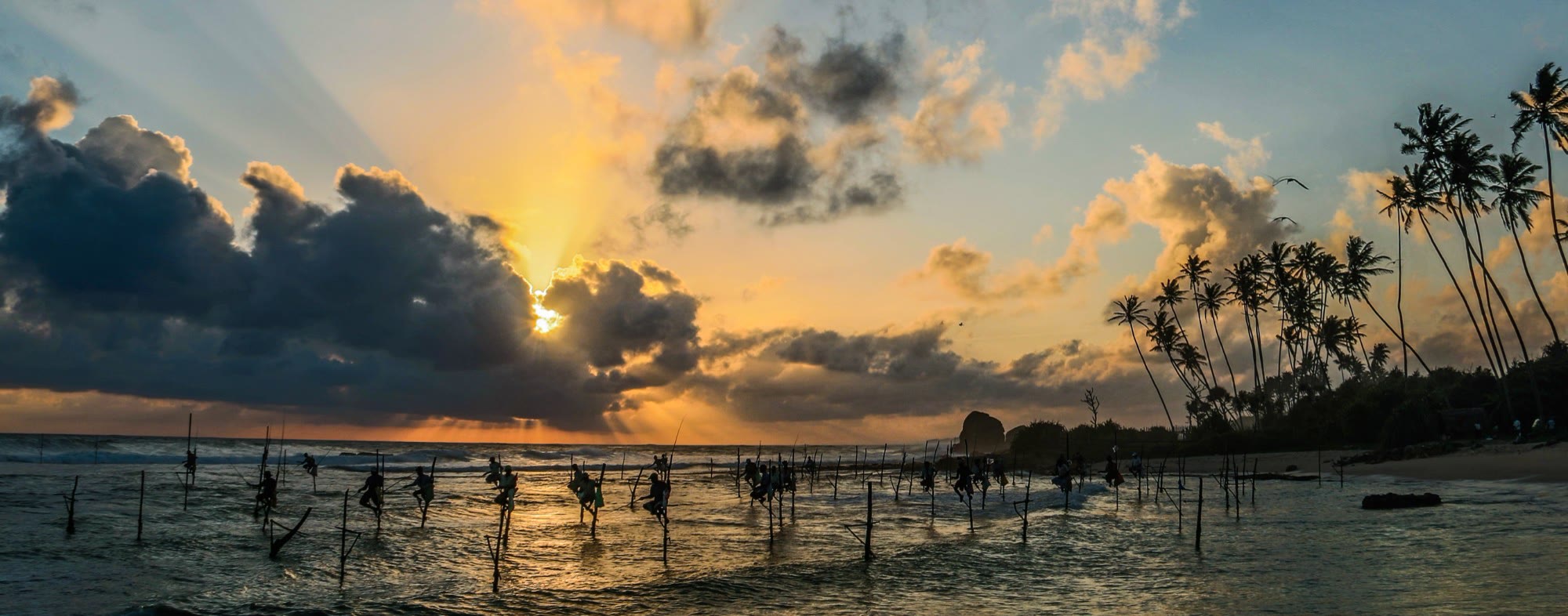
Stilt fishermen silhouetted against a golden sunset on the south coast4 daysSchools & Universities

Marine & Coastal Science · Colonial History & Global Trade

Reefs, Forts & Fishermen

Coral science in the morning, colonial history by sunset.

Kosgoda → Hikkaduwa → Galle Fort → Mirissa

Students will be able to
  • Survey reef health with simple transect methods
  • Explain coastal processes and tsunami resilience
  • Analyse colonial trade through architecture
  • Understand how coastal communities earn a living
Ages 12+ and undergraduatesNovember–April
See it day by day
  1. Day 1

    Turtle conservation

    Visit a Kosgoda hatchery for a briefing on nesting beaches and marine protection.

  2. Day 2

    Reef survey

    A guided snorkel transect at Hikkaduwa, with a glass-bottom boat for non-swimmers, then a session on coral bleaching.

  3. Day 3

    450 years of empire

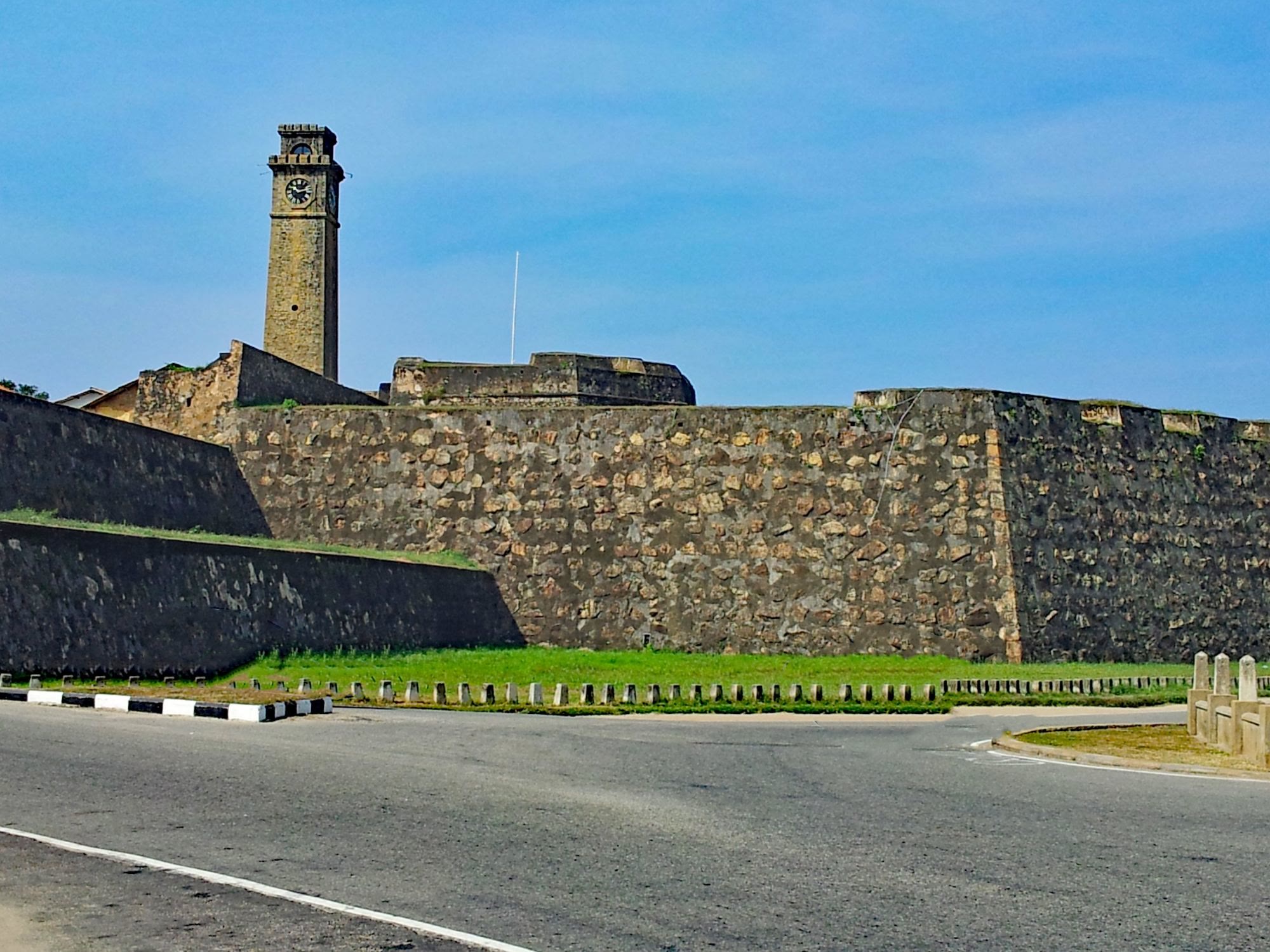
    Walk the Galle Fort ramparts and maritime museum, then watch the stilt fishermen at sunset.

  4. Day 4

    Ocean giants

    Whale-watching from Mirissa (November–April) or a coastal-erosion field study, then presentations.

From$480per student
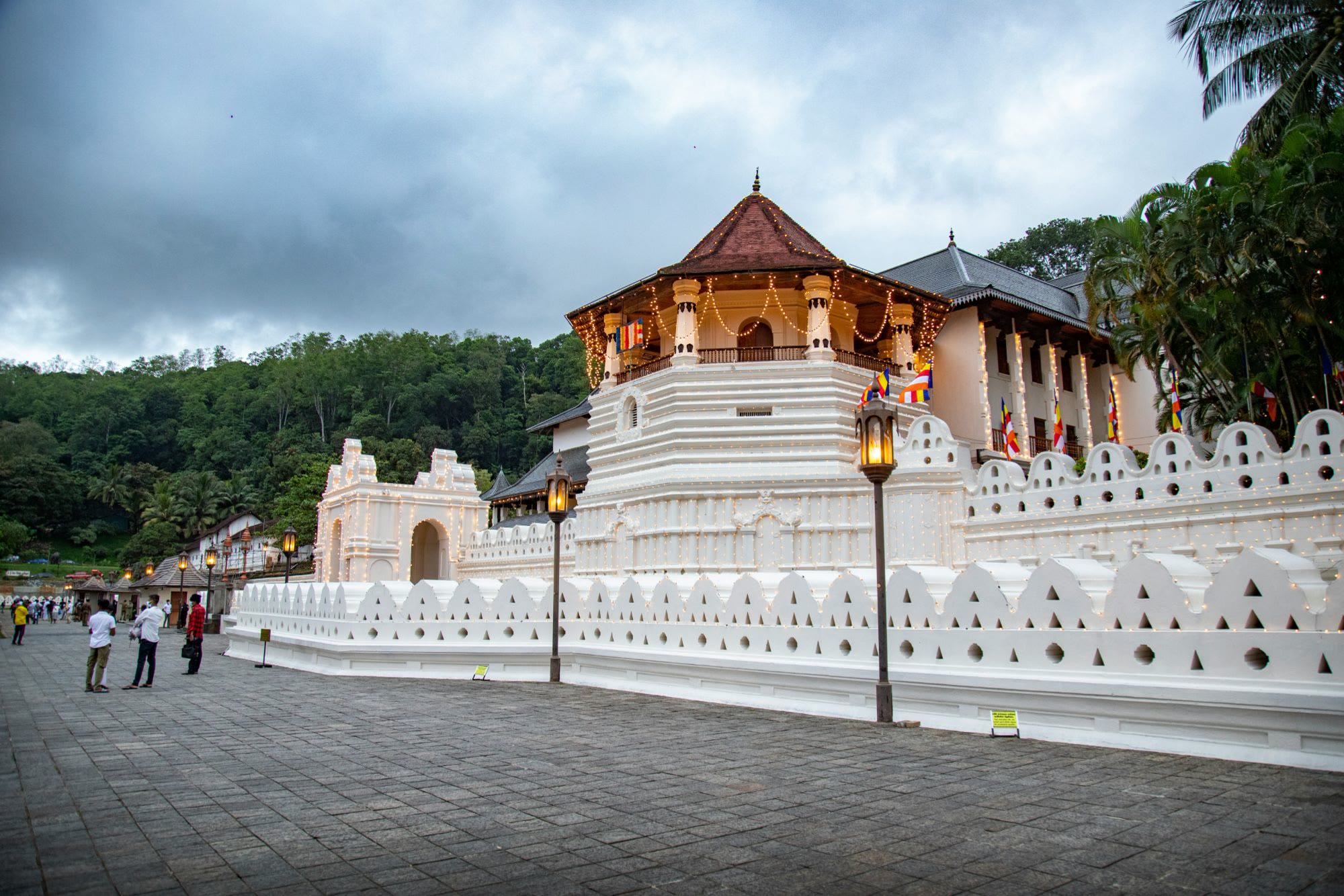
The Temple of the Sacred Tooth Relic in Kandy lit with evening lights3 daysSchools & Universities

Culture, Faith & Society

Faith, Art & Society

A short, deep immersion in the living culture of the hill capital.

Kandy → Ambuluwawa → Dambulla

Students will be able to
  • Compare ritual and practice across faiths respectfully
  • Interpret Buddhist art and iconography
  • Reflect on identity and community through interviews
Ages 11+ and undergraduatesAll year · Esala Perahera in July/August
See it day by day
  1. Day 1

    City of the Sacred Tooth

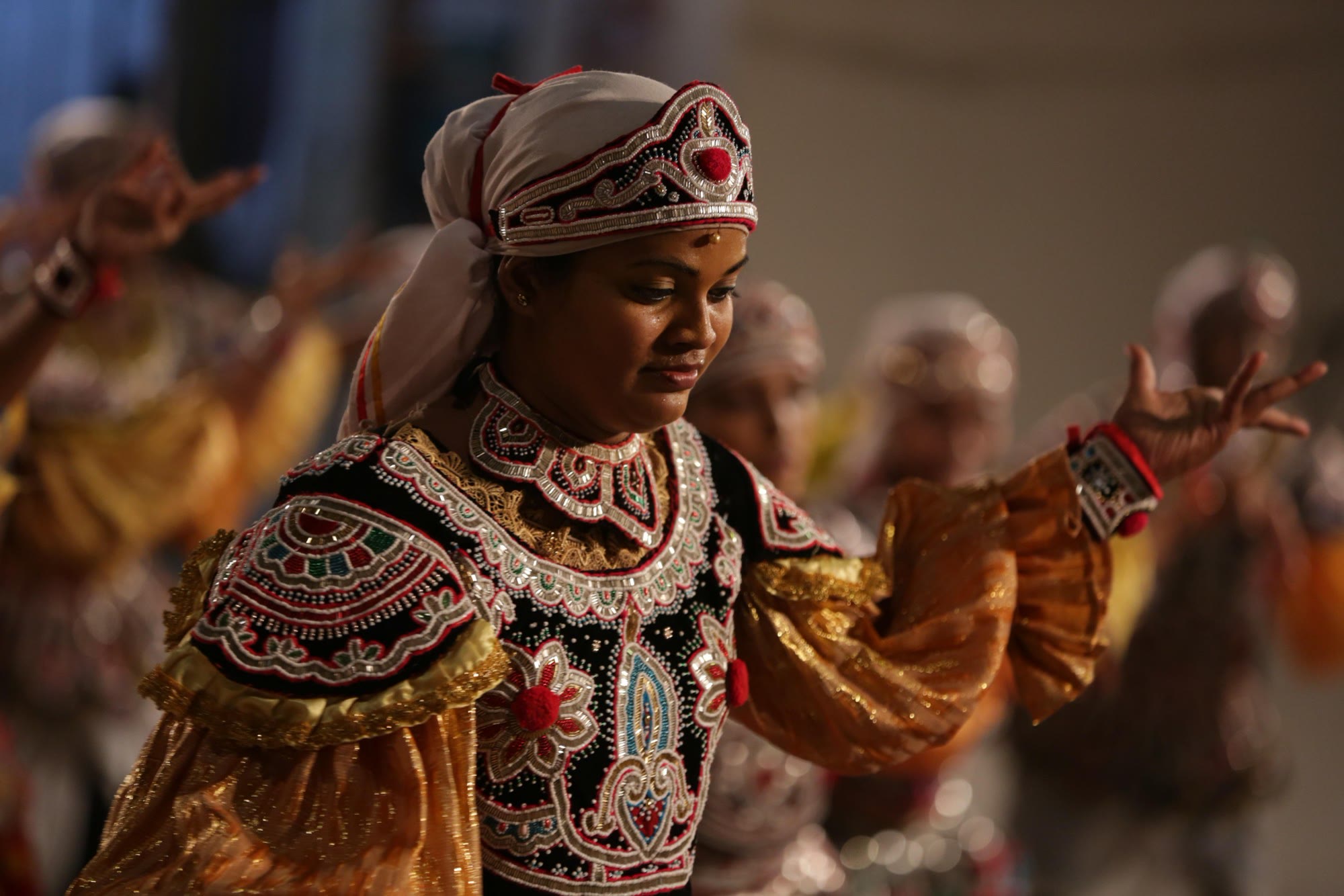
    The evening ritual at the Temple of the Tooth, then a Kandyan dance performance and a conversation with the dancers.

  2. Day 2

    Many faiths, one hill

    Visit the interfaith complex at Ambuluwawa, then lunch with a village family who teach you to cook it.

  3. Day 3

    Art in the caves

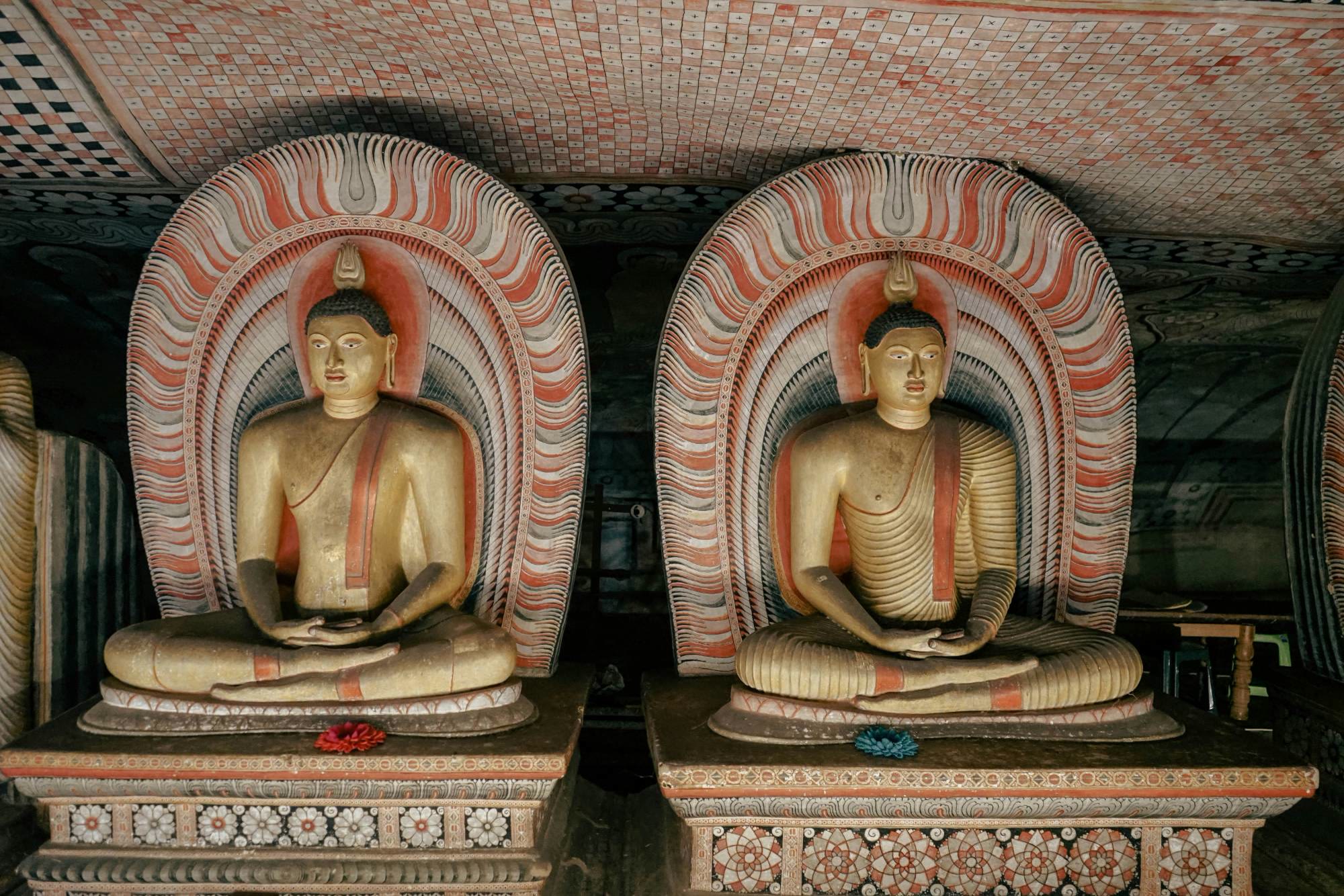
    The painted caves of Dambulla, a place of worship for over 2,000 years, then reflective journals and certificates.

From$380per student
Painted seated Buddhas beneath a patterned ceiling in the Dambulla caves10 daysUniversities

Archaeology & Heritage · Ancient Engineering & Water · Highland Ecology & Geography · Wildlife & Conservation · Culture, Faith & Society · Colonial History & Global Trade

The Island Field School

Ten days, six disciplines and one research project that ties it together.

Anuradhapura → Sigiriya → Polonnaruwa → Kandy → Tea country → Yala → Galle

Students will be able to
  • Plan and carry out an interdisciplinary field project
  • Keep a learning log your institution can assess for credit
  • Compare heritage, ecology and development across regions
  • Present research to faculty and local specialists
Undergraduates, postgraduates and summer schoolsJune–August summer schools · January–March
See it day by day
  1. Days 1–2

    Anuradhapura & Mihintale

    Orientation, research briefs and the first field-recording sessions in the sacred city.

  2. Days 3–4

    Sigiriya, Polonnaruwa & Minneriya

    Hydraulic gardens, the medieval capital and the great elephant gathering at Minneriya (in season).

  3. Day 5

    Kandy & Ambuluwawa

    Faith and society in the hill capital, and the interfaith biodiversity tower.

  4. Days 6–7

    Tea country & Horton Plains

    A value-chain study on a working estate and cloud-forest ecology at World’s End.

  5. Days 8–9

    Yala & Bundala

    Wildlife sampling, a wetland census and a community conservation workshop.

  6. Day 10

    Galle Fort symposium

    Final presentations inside the Dutch fort, certificates and a farewell dinner by the sea.

From$1,320per student

Field modules

Short on time? Start with a single day.

Already in Sri Lanka, or adding a field day to a wider trip? Each module stands alone or slots into any programme.

  • Archaeology & Heritage

    Moonstone & guardstone recording

    PolonnaruwaHalf day

  • Ancient Engineering & Water

    Tank & sluice walk

    AnuradhapuraHalf day

  • Highland Ecology & Geography

    Cloud-forest walk to World’s End

    Horton PlainsHalf day

  • Wildlife & Conservation

    Dawn bird census

    Bundala3 hours

  • Marine & Coastal Science

    Reef transect snorkel

    Hikkaduwa3 hours

  • Culture, Faith & Society

    Kandyan dance & drum workshop

    Kandy2 hours

  • Colonial History & Global Trade

    Ramparts history trail

    Galle Fort2 hours

  • Tea, Agriculture & Sustainability

    Leaf-to-cup tea lab

    Nuwara EliyaHalf day

  • Culture, Faith & Society

    Village homestay & cooking

    DambullaFull day

For trip leaders

You carry the responsibility. We carry the details.

The six questions every head teacher, parent and faculty board asks, answered before you even enquire.

What will it cost?

Indicative per-student prices are on this page, and your quote is fixed in writing.

What will they learn?

Clear outcomes for every programme, matched to your syllabus and assessment.

Will they be safe?

Written risk assessments, vetted licensed guides and a duty manager on call 24/7.

How does it run?

Rooms, coaches, meals and group sizes are all set out before you commit.

What do they take home?

A certificate of participation that says exactly what each student did — no inflated claims.

How long can it be?

Anything from a two-hour field visit to a three-week field school.

The classroom, unedited

Every photo here is a lesson plan.

Hover or tap a photo to see what students learn there.

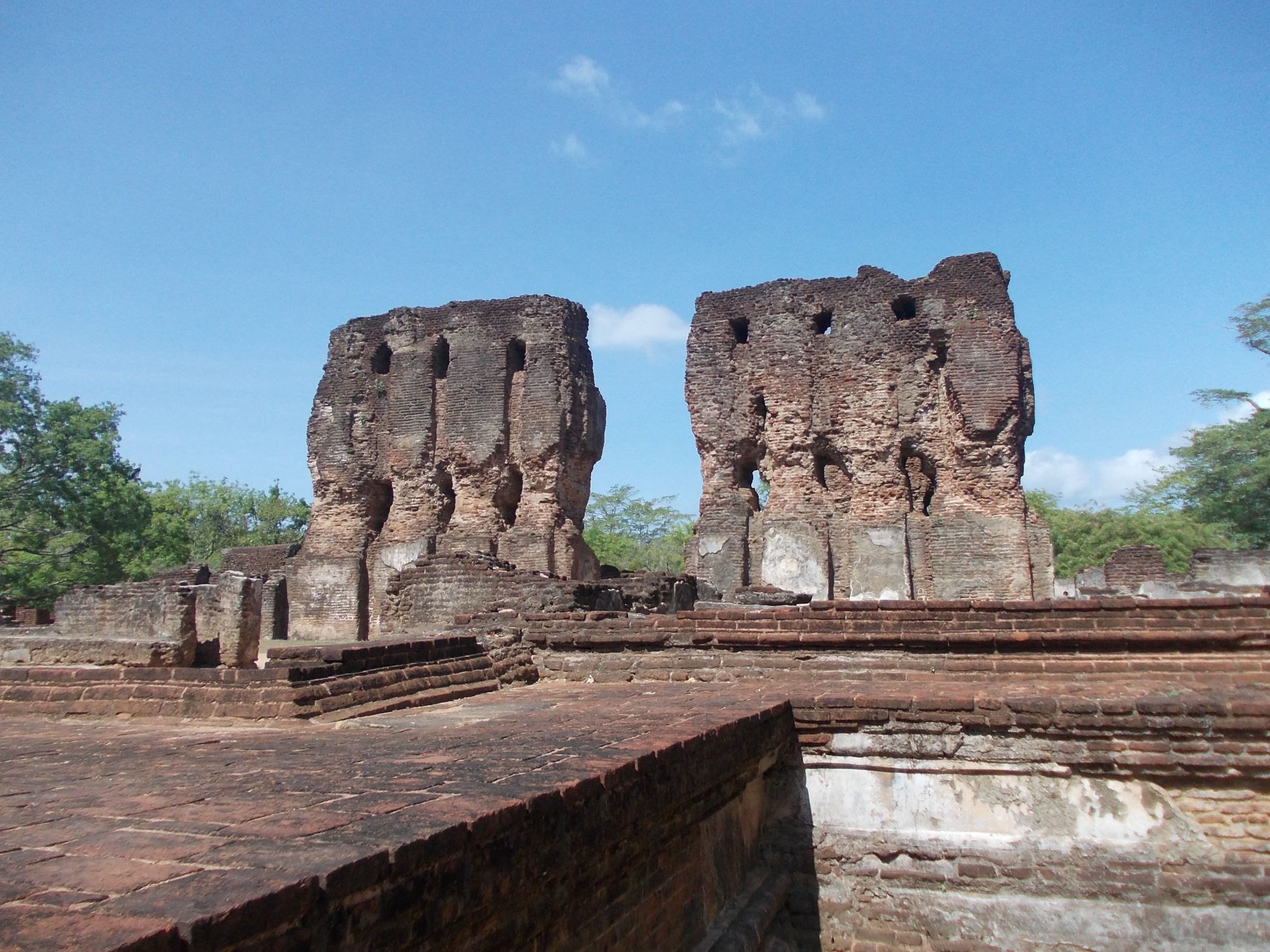
Brick walls of the royal palace ruins in Polonnaruwa
PolonnaruwaHow a medieval king built a seven-storey palace from brick and timber.
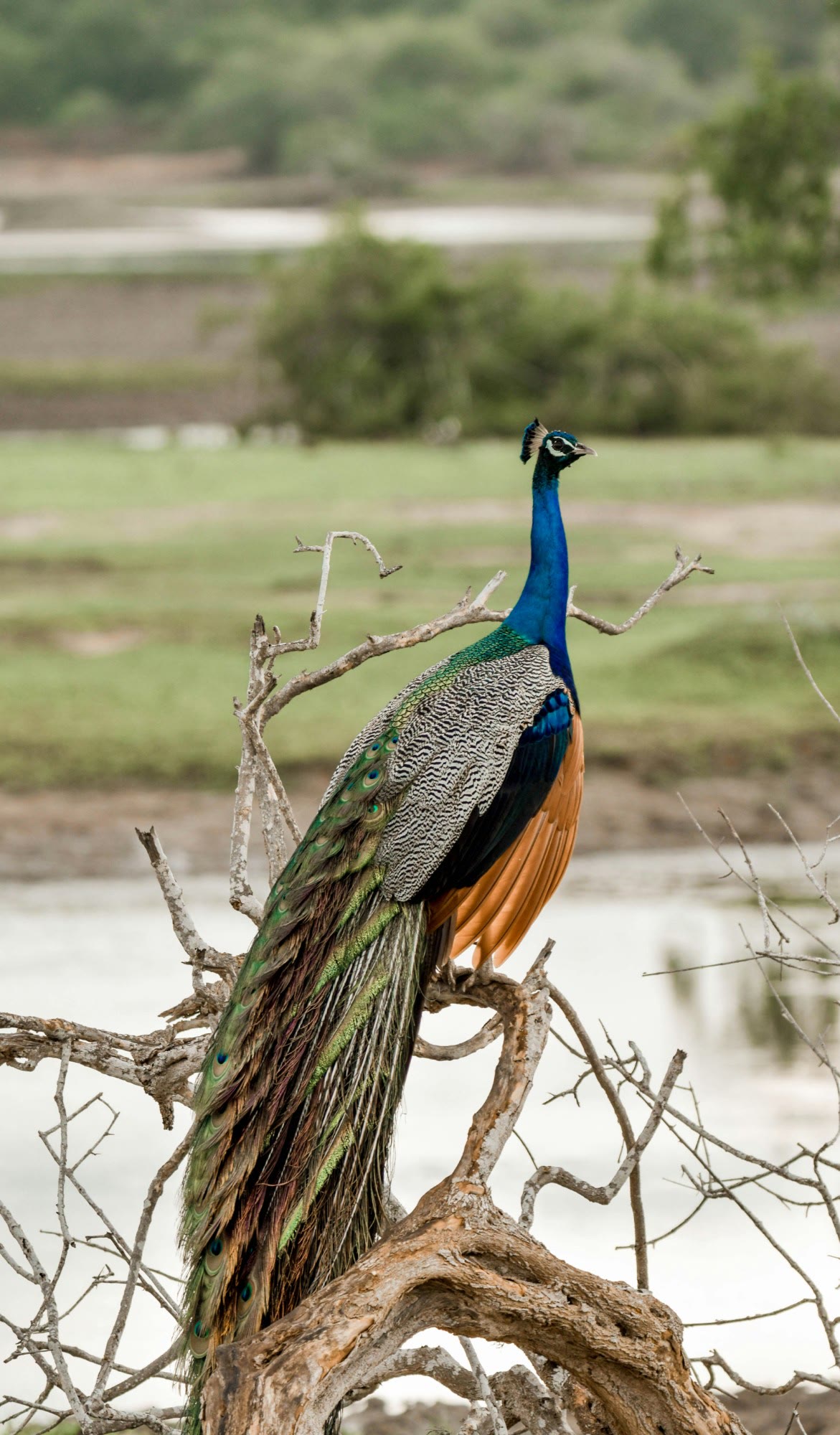
A peacock perched on a dead branch beside a lake
YalaAdaptation and display in the dry-zone forest.
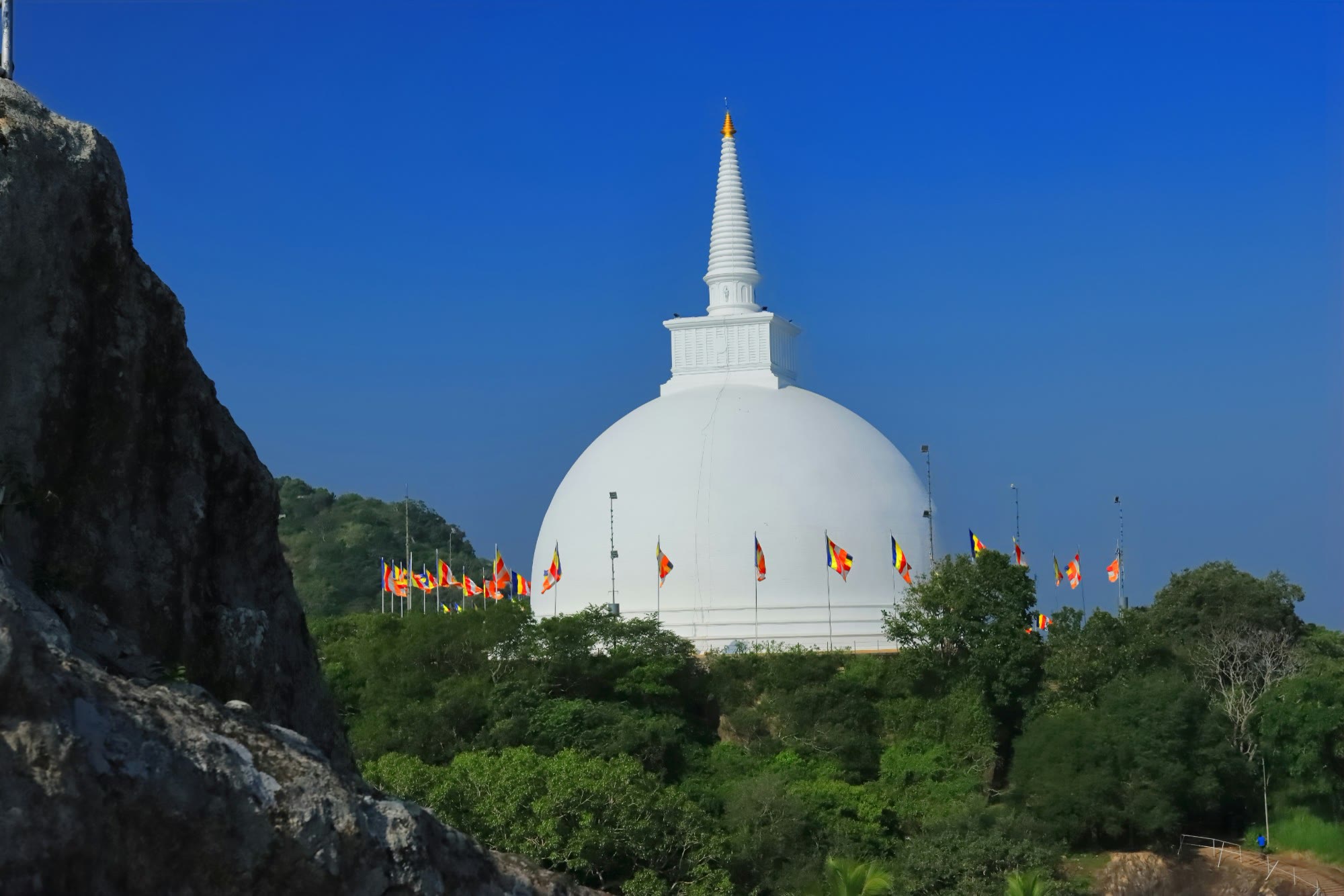
The white stupa of Mihintale above the trees under a deep blue sky
MihintaleWhere Buddhism arrived in Sri Lanka in the 3rd century BC.
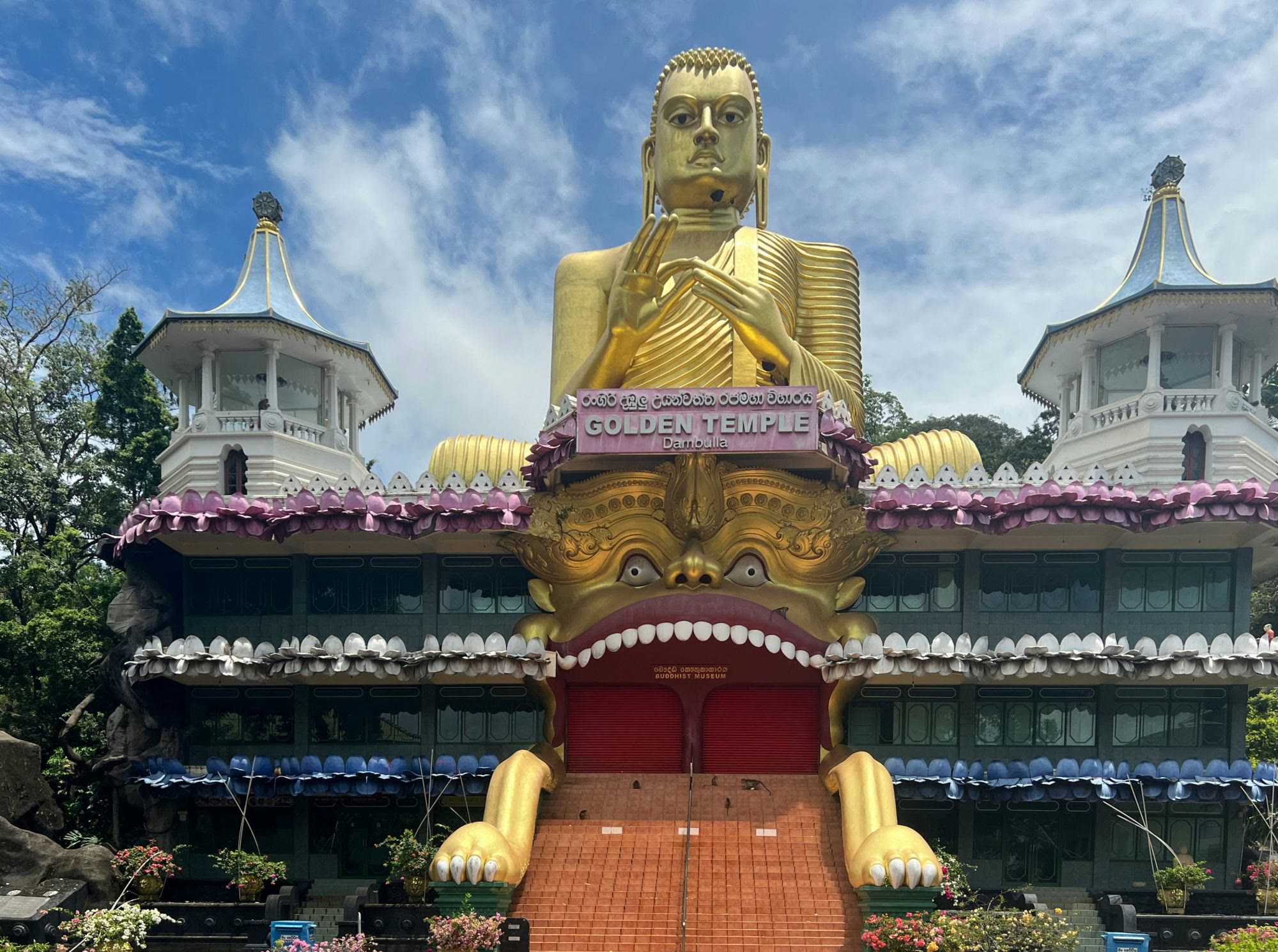
The giant golden Buddha above the Golden Temple in Dambulla
DambullaOld and new faith side by side, and what that says about a living religion.
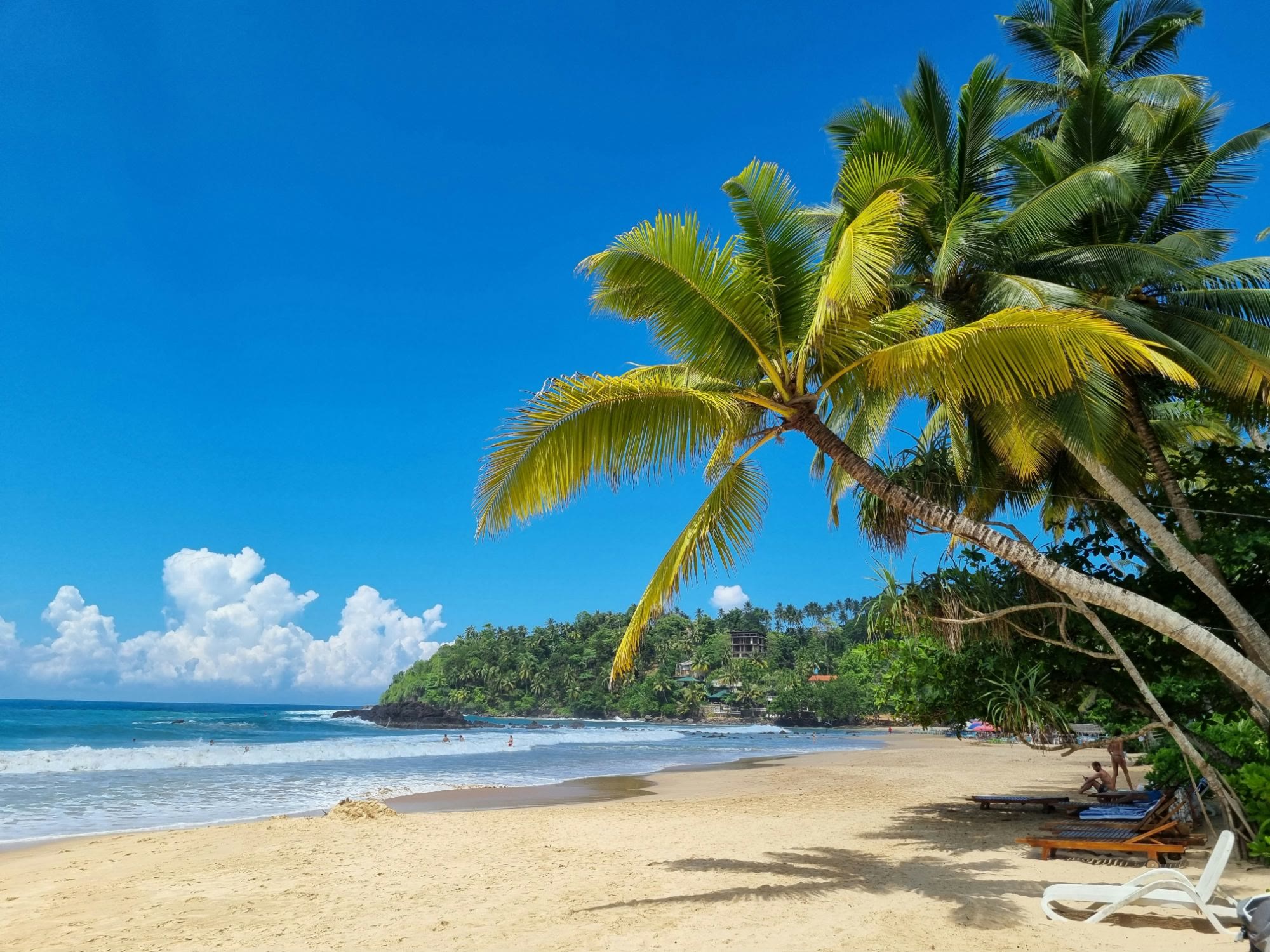
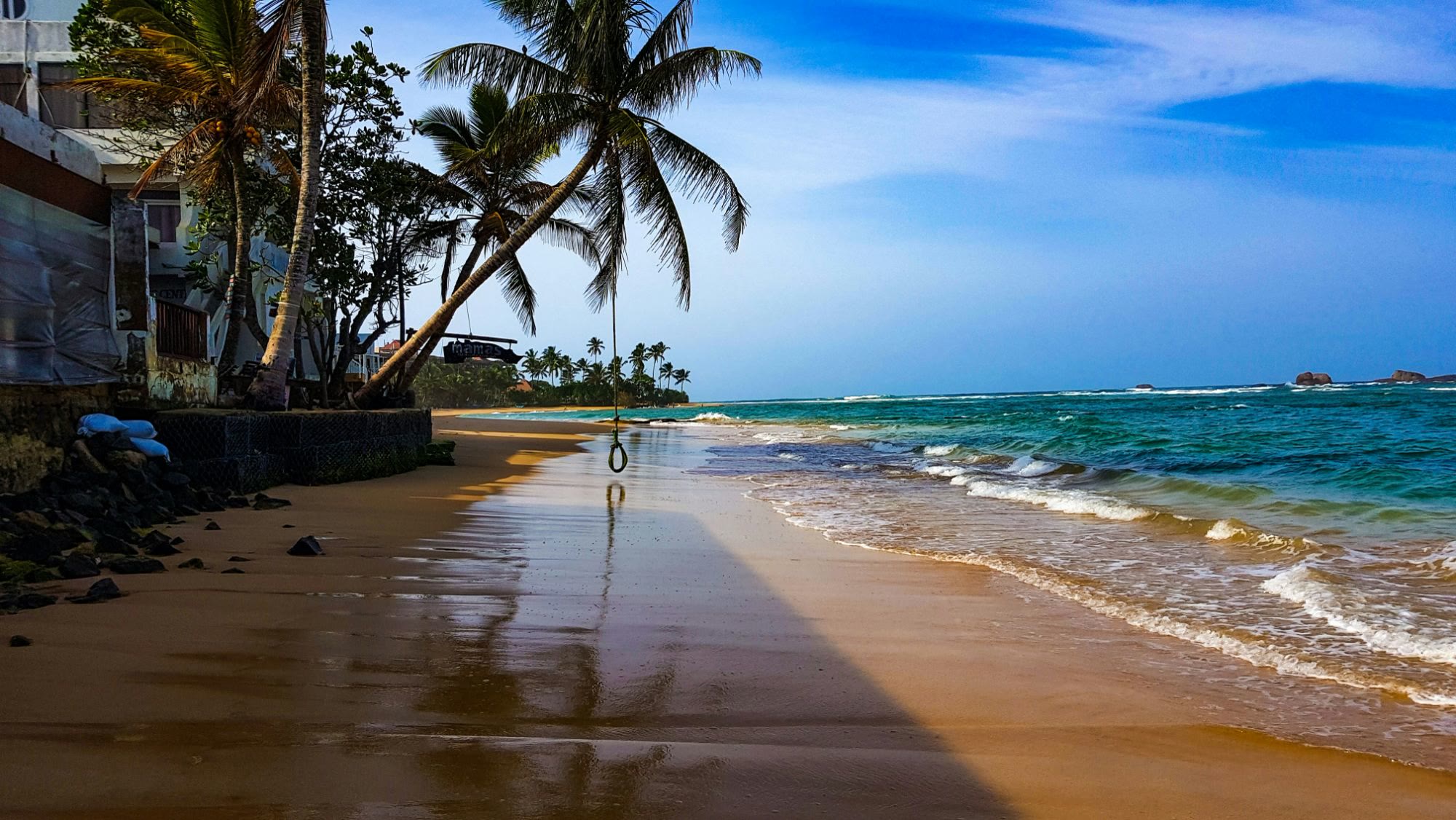
A palm tree leaning over a golden beach in a quiet cove
MirissaCoastal processes, tourism and the economics of a beach.
Your students, here.Build your programme

Build your programme

Two minutes now. A full proposal in two working days.

Tell us about your group and watch the programme take shape. We’ll reply with a day-by-day itinerary, a fixed per-student quote and an outline risk assessment — free, with no obligation.

Who’s travelling?
Subjects — choose any
Rooms

SLTDA licensed · We never share your detailsReply within two working days

Questions

Everything your board will ask.

Can’t see your question? Add it to your brief and a specialist will answer it in your proposal.

Is Sri Lanka safe for student groups?

Sri Lanka is a welcoming destination for school and university groups. Every programme comes with written risk assessments, SLTDA-licensed guides, a 24/7 duty manager and the nearest hospital planned for every stop. We always recommend checking your government’s travel advice too.

Can the programme count towards credit or coursework?

Each student keeps a learning log and receives a certificate of participation listing their hours and outcomes. Credit is awarded by your own institution, and we’re happy to align activities and evidence with your assessment criteria.

How many teachers or leaders travel free?

One free leader place for every ten paying students, as standard. Extra leaders can join at cost.

What is included in the price?

Accommodation, all meals, a private air-conditioned coach and driver, specialist guides, entrance fees, the learning pack, field journals and certificates. International flights and personal insurance are not included.

When is the best time to travel?

Sri Lanka has two monsoons, so one side of the island is always dry. The south-west coast and hill country are best December–April; the east and the ancient cities are good May–September.

How far ahead should we book?

Schools usually book six to nine months ahead to allow for parent payments; university groups three to six months. Field visits for groups already in Sri Lanka can often be arranged within a few weeks.

Can you handle dietary, medical and access needs?

Yes. Tell us in your brief and we’ll plan meals, rooms, transport and activities around every student before you travel.

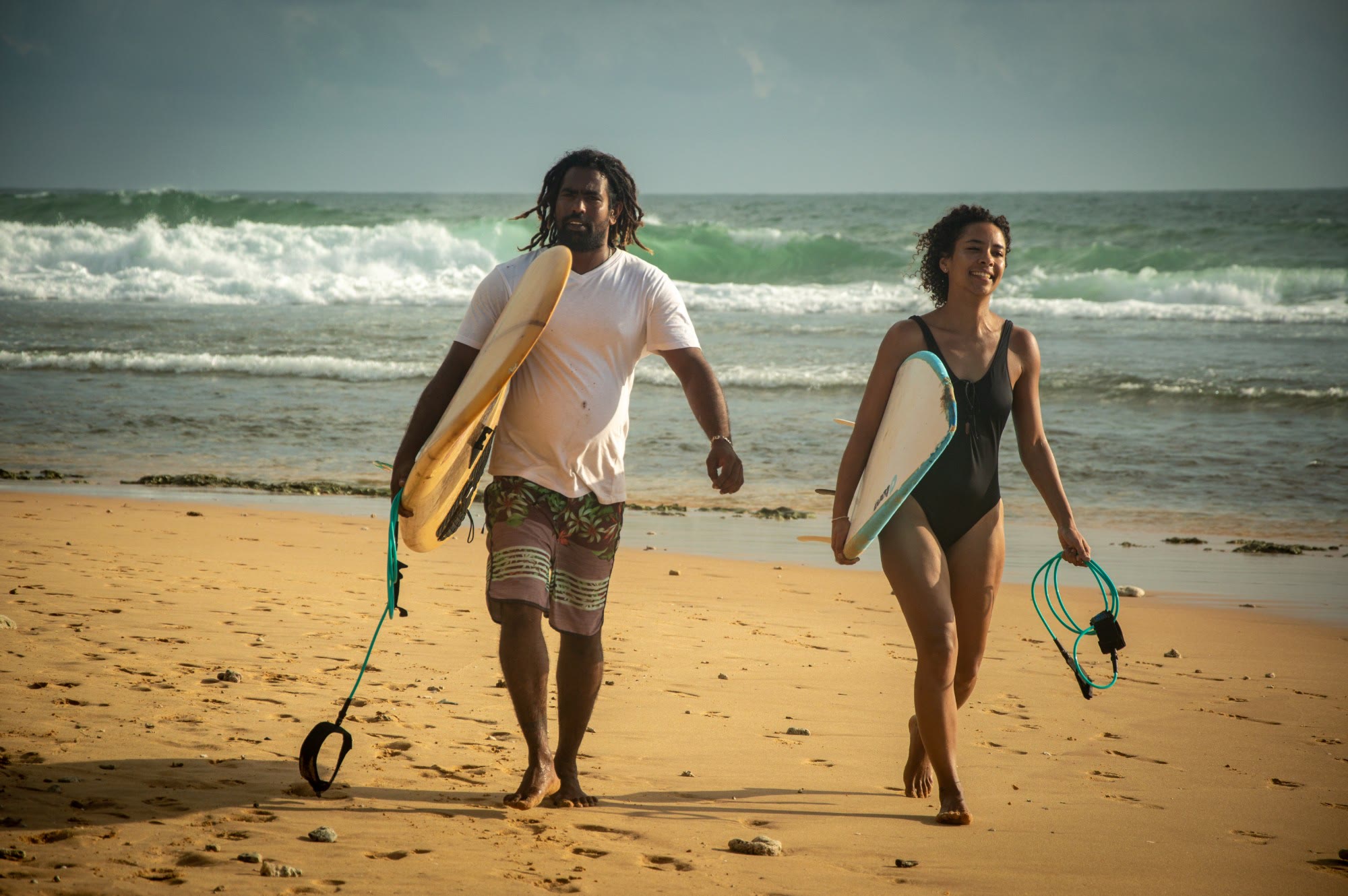
Two surfers walking up a golden beach after a lesson

For universities & schools

Some lessons are learnt at a desk. The ones they remember happen out here.

Send us your brief today and get a complete, costed proposal within two working days. You can share it with your head, your board and your parents.

  1. 1
    Send your brief

    Subjects, dates and group size. It takes about two minutes.

  2. 2
    Get your proposal

    Itinerary, fixed per-student quote and outline risk assessment.

  3. 3
    Shape it together

    Adjust anything until it fits your syllabus and budget.

Request my free proposal

Free · No obligation · SLTDA licensed